


Is going to bed at 11 p.m. considered staying up late?

Going to bed at 11 p.m. is generally not considered “staying up late” (i.e., sleep deprivation or circadian misalignment), provided sleep quality is good and you wake up feeling refreshed—without fatigue, weakness, or other discomforts. However, if you go to bed at 11 p.m. but still feel fatigued the next day—impairing your daily life or work performance—this typically qualifies as staying up late.
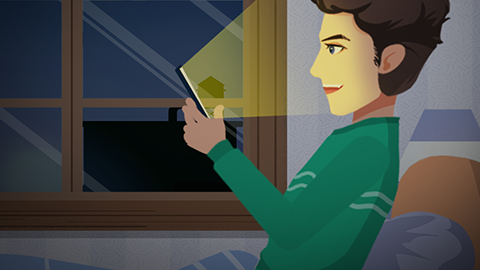
In general, falling asleep by 11 p.m. supports high-quality rest, enabling 6–8 hours of uninterrupted sleep and ensuring optimal alertness and productivity the following day—thus not constituting “staying up late.” Typically, staying up late refers to sleeping after midnight, because a full sleep cycle lasts approximately 90–100 minutes; to ensure adequate deep-sleep phases and overall nocturnal sleep quality, one should ideally complete the first sleep cycle before midnight. Therefore, it is recommended to be in bed by 11 p.m. and preferably asleep by 10 p.m. for optimal sleep quality.
If you have not yet entered deep sleep by 11 p.m., this may already constitute staying up late. Under such conditions, the liver cannot perform its detoxification functions effectively. Chronic late-night sleep may impair hepatic function, hinder timely toxin elimination, and ultimately compromise overall health. Moreover, long-term sleep deprivation can disrupt endocrine balance, interfere with normal hormone secretion, and manifest as dull skin, acne, hair loss, and reduced immune function—increasing susceptibility to illness.
Maintain healthy lifestyle habits: avoid excessive physical or mental fatigue and refrain from intense exercise close to bedtime, which may cause bodily discomfort. Adhere to a regular sleep–wake schedule—going to bed early and rising early—to promote long-term health.


