


What causes hemoptysis in pneumonia?

Many patients experience intense fear and confusion upon coughing up blood. Hemoptysis poses a certain threat to both the physical and mental health of affected individuals. Patients with pneumonia-related hemoptysis should first identify the underlying cause based on their hemoptysis symptoms, enabling targeted treatment. So, what exactly is pneumonia-associated hemoptysis?
What Is Pneumonia-Associated Hemoptysis?
The primary cause of hemoptysis in pneumonia is infection—by viruses or bacteria—that invades the pulmonary capillaries within the alveoli, leading to capillary rupture and subsequent hemoptysis. The hallmark symptoms of pneumonia include cough and sputum production; some patients may also present with upper respiratory tract infection symptoms. Additionally, systemic manifestations secondary to fever—such as headache, dizziness, fatigue, and myalgia in the limbs—are commonly observed. Prompt, symptom-directed treatment is essential. Furthermore, under physician guidance, patients may take compound cold medications and oral antipyretic-analgesic agents. Intravenous fluid therapy should also be actively administered.
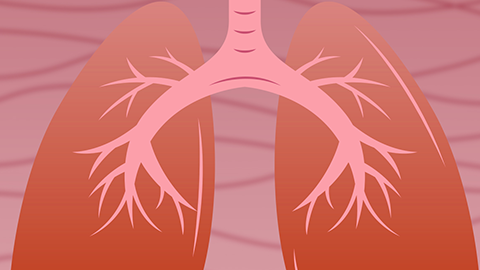
Pneumonia and hemoptysis may result from factors such as mucosal rupture, capillary edema, or viral infection. If symptoms are mild and no other adverse reactions are present, antibiotics may be prescribed under medical supervision. However, in severe cases, patients may develop chest tightness, shortness of breath, cough, pharyngeal pruritus, sore throat, a sensation of a foreign body in the throat, and dyspnea. In such instances, prompt hospital evaluation—including pulmonary imaging and other diagnostic assessments—is crucial, followed by targeted therapeutic interventions based on the findings.

During treatment, patients are advised to adopt healthy dietary habits: avoid excessively cold or hot foods; consume fresh vegetables and fruits; maintain good oral hygiene; drink plenty of warm water; and engage in moderate outdoor physical activity. These measures help enhance immune function and support recovery. We hope this information proves helpful to you.


