


What condition causes drooling during sleep?

Sleep allows the body to rest and is essential for maintaining normal daily life. However, many people experience various symptoms during sleep—for example, drooling. So, what condition does nighttime drooling indicate?
What Condition Does Nighttime Drooling Indicate?
Nighttime drooling may be associated with oral diseases, improper sleeping posture, or facial paralysis.
Oral Diseases: Conditions such as impacted wisdom teeth, gingivitis, or periodontitis can lead to malocclusion (improper bite alignment), causing oral secretions to leak from the corners of the mouth—resulting in drooling during sleep.
Improper Sleeping Posture: Certain positions—particularly prone sleeping (lying face-down)—may promote drooling due to body positioning and other related factors.
Facial Paralysis: In cases of facial nerve dysfunction, most patients develop paralysis of the facial expression muscles. On the affected side, incomplete lip closure and air leakage impair the ability to retain saliva, leading to involuntary leakage—manifested clinically as nocturnal drooling.
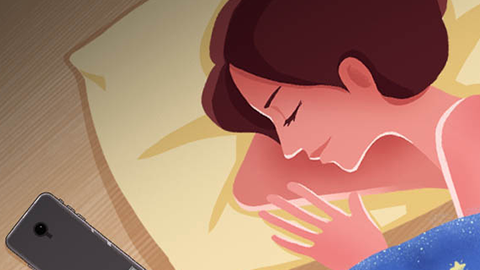
Patients should adjust their sleeping position, undergo dental examination at a hospital, and take prescribed medications as needed. In young adults, nighttime drooling is often linked to suboptimal sleeping posture—for instance, sleeping on a pillow while lying on one’s side may trigger drooling. Oral ulcers, gingivitis, and periodontitis can also cause drooling; thus, consultation with a dentist is recommended. For oral ulcers, topical ulcer powders may be used. If drooling results from gingivitis or periodontitis, anti-infective medications may be prescribed under physician guidance.
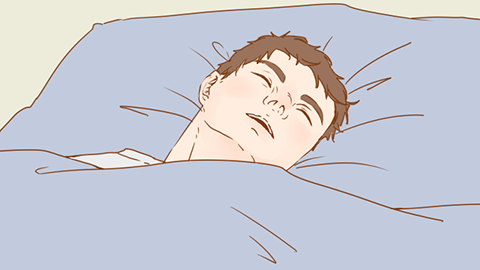
If drooling is severe, prompt medical evaluation and treatment are advised. We hope this information has been helpful.


