


What Causes Teeth Grinding (Bruxism) in a 6-Year-Old Child During Sleep?

Teeth grinding during sleep—also known as bruxism—should never be ignored. It may signal an underlying health issue; if left untreated, the condition can progressively worsen and lead to additional complications. So, what causes teeth grinding in 6-year-old children during sleep?
Causes of Teeth Grinding During Sleep in 6-Year-Old Children
Teeth grinding in 6-year-olds may stem from several factors: 1. Inadequate oral hygiene before bedtime—such as skipping toothbrushing or insufficient rinsing—leaves food debris on tooth surfaces and the tongue. This residue can irritate taste buds and gustatory nerves, triggering nocturnal bruxism. 2. At age 6, children are undergoing the transition from primary (deciduous) to permanent teeth. Occasionally, early contact between the tips of newly erupting primary teeth can overstimulate the temporomandibular joint (TMJ) and masticatory muscles, resulting in bruxism. 3. Improper feeding practices—such as offering greasy or hard-to-digest foods—or underlying digestive dysfunction may cause food stagnation, indigestion, abdominal pain, or bloating, which can also contribute to teeth grinding.
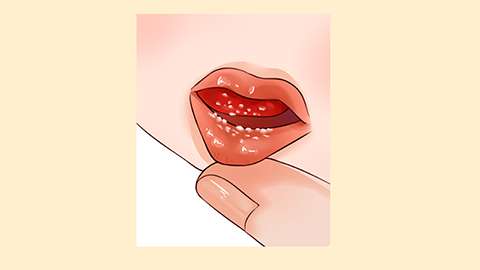
Therefore, parents should carefully identify the specific underlying cause and address it accordingly. If a child sweats excessively while grinding teeth at night, calcium deficiency should be considered—and timely calcium supplementation may be warranted. If bruxism occurs when the child is overly excited or after overeating, ensure the child remains calm during the day and avoids large meals close to bedtime.
Parents should pay close attention to their child’s daily diet and avoid overfeeding, especially before bedtime. We hope this information proves helpful.


