


Why is pulmonary tuberculosis most vulnerable to staying up late?

Tuberculosis (TB) is a common pulmonary disease. Its clinical symptoms include low-grade fever, fatigue, coughing, and others. Patients with mild disease can achieve full recovery following appropriate treatment; however, severe cases may become life-threatening. So why is tuberculosis particularly vulnerable to sleep deprivation (i.e., staying up late)?
Why Tuberculosis Is Especially Vulnerable to Sleep Deprivation
The primary reason tuberculosis patients should avoid staying up late is that TB is a chronic catabolic disease. Repeated sleep deprivation gradually weakens the body’s resistance and immune function, thereby impeding recovery and symptom improvement. While regular anti-tuberculosis drug therapy is critical for TB patients, adequate nutritional support and healthy lifestyle habits are equally essential. Patients should prioritize high-protein, nutrient-rich foods. Additionally, they must ensure sufficient rest, avoid physical exhaustion—and especially refrain from staying up late.
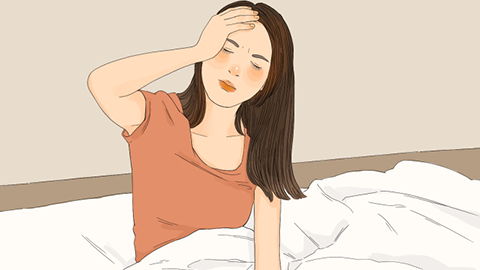
Tuberculosis is a chronic infectious disease caused by Mycobacterium tuberculosis, capable of causing progressive damage to lung tissue and ultimately leading to severe complications. Consequently, its potential harm is substantial. Early diagnosis and consistent anti-tuberculosis treatment are therefore imperative. Given that TB is a catabolic disease, patients undergoing treatment must prioritize rest and maintain healthy daily routines and dietary habits. They should avoid staying up late or overworking, as these behaviors increase physiological stress, suppress immune function, and hinder disease recovery.
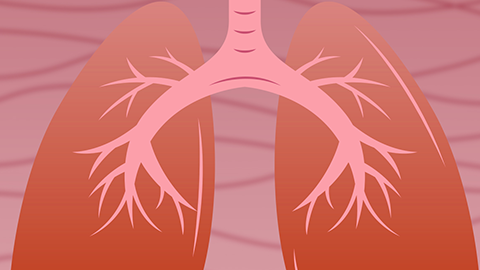
We should prioritize rest and cultivate sound sleep habits. We hope this information proves helpful to you.


