


What time at night is considered staying up late?

In daily life—whether reading newspapers or browsing news online—we frequently encounter reports of people experiencing sudden health issues due to staying up late. Although such incidents are common, some young individuals dismiss them, believing their youth makes them immune. However, staying up late inflicts significant harm on the body. So, what time at night constitutes “staying up late”?
What Time at Night Counts as Staying Up Late?
Going to bed after midnight qualifies as staying up late. Specifically, the period from 11:00 p.m. to 1:00 a.m. is considered the liver meridian’s detoxification window. If the body fails to rest adequately during this time—i.e., if one remains awake—it incurs substantial physiological damage and thus falls within the definition of “staying up late.” This habit harms the body in multiple ways: it severely affects the gastrointestinal tract, predisposing individuals to gastritis, indigestion, and related symptoms; disrupts endocrine function, increasing the risk of obesity; interferes with the body’s natural circadian rhythm, impairing mental rest and potentially triggering neurasthenia and diminished energy levels; and damages the skin. Therefore, avoiding late-night wakefulness is strongly advised in both daily life and work.
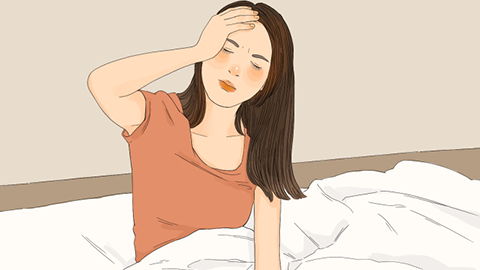
Staying up late violates normal physiological rhythms and adversely affects cognition, memory, skin health, vision, and cardiovascular function. For example, individuals in their thirties who habitually stay up extremely late—and especially those who combine this with smoking—may suffer acute myocardial infarction. Such events often stem from chronically irregular lifestyles, chronic sleep deprivation, and smoking. Excessive late-night wakefulness can also impair fertility, damage skin and vision, and reduce work performance. Moreover, when the nervous system fails to rest adequately during its designated recovery period, neurological dysfunction may occur, leading to altered vascular tone and consequent elevation in blood pressure.

Therefore, maintaining a regular daily routine and avoiding excessive late-night wakefulness is highly recommended. We hope this response proves helpful to you.


