


Does staying up late really cause acne?

In real life, many people frequently stay up late to work, study, or manage daily responsibilities, leading to an increasing number of acne lesions on their face—causing significant distress.
Does staying up late really cause acne?
Yes, staying up late may contribute to acne development. Sleep deprivation can impair immune function and disrupt hormonal balance—particularly elevating androgen levels. Excess androgens stimulate overactivity of the sebaceous glands, thereby triggering facial acne. Moreover, when acne-prone skin becomes colonized by opportunistic pathogens—such as Propionibacterium acnes (now reclassified as Cutibacterium acnes)—inflammatory changes occur, resulting in inflammatory acne lesions that require prompt treatment and lifestyle adjustments, including improved sleep hygiene.
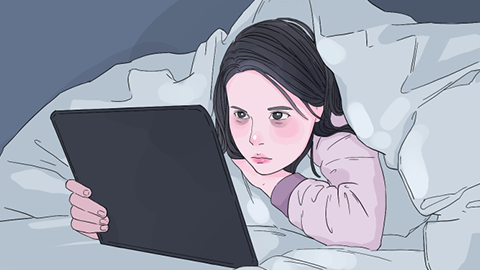
After acne develops, maintaining facial cleanliness is essential; avoid squeezing pimples with your hands. Over-the-counter acne treatments may be used appropriately. Opt for amino acid-based cleansers—they are gentle, non-irritating, and place minimal burden on the skin. Cultivating healthy lifestyle habits and ensuring adequate, high-quality sleep is equally critical: aim to go to bed before 10 p.m. and wake up no earlier than 7 a.m. Supporting liver detoxification function is also important, as hepatic impairment can exacerbate acne. Incorporating fresh vegetables and fruits into your daily diet helps improve acne and promotes overall health. Avoid spicy, fried, and greasy foods; instead, prioritize foods rich in vitamins and dietary fiber. Such dietary choices not only help clear existing comedones but also contribute to smoother, more supple skin.

Emotional well-being significantly influences skin health; therefore, adopting effective stress-management strategies is highly recommended. We hope this information proves helpful to you.


