


Why Have I Suddenly Started Snoring?

Many people snore while sleeping in daily life, and the higher the sleep quality, the more frequent the snoring may become. Most individuals pay little attention to this habit, considering snoring a completely normal physiological phenomenon. However, snoring can significantly disturb the sleep of other household members. So, what causes sudden-onset snoring?
Why Does Snoring Start Suddenly?
Sudden onset of snoring may be associated with upper respiratory tract infections, recent surgery, or use of sedative-hypnotic medications. Patients suffering from acute rhinitis, acute sinusitis, pharyngitis, or other inflammatory upper respiratory infections are prone to airway obstruction or mucus accumulation, which may trigger snoring. Alternatively, some patients who have recently undergone tonsillectomy may experience snoring within the first 1–3 days postoperatively; as local edema subsides over several days, snoring symptoms typically improve markedly. Sudden snoring may also result from recent use of sleeping pills or sedatives, or from fatigue or exhaustion.
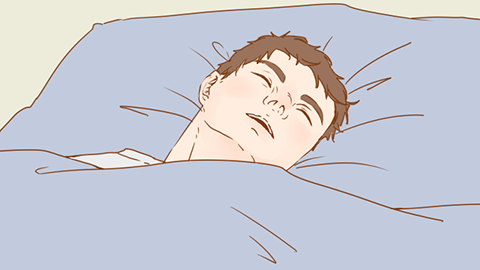
If snoring is mild, adjusting sleep posture—switching from supine to lateral decubitus position—and modifying pillow height (raising or lowering it) may help. For more severe cases, surgical treatment commonly involves partial uvulopalatopharyngoplasty (UPPP) combined with expansion of the pharyngeal space—the most widely used surgical approach for snoring today. However, this procedure carries high risks, incurs substantial costs, has a relatively high recurrence rate, and may lead to surgical complications, causing significant discomfort and burden to patients—yet its overall efficacy remains modest. Some medications offer limited therapeutic benefit and may provide temporary symptom relief during treatment, but they cannot cure snoring and recurrence is common.
In daily life, cultivating healthy lifestyle and dietary habits is essential. We hope this information proves helpful to you.


