


Why does nosebleed occur after staying up late?
Jun 10, 2022
Source: Cainiu Health

Dr. Wang Bing
Introduction
After staying up late, patients are prone to “internal heat” (a concept in Traditional Chinese Medicine), which can disrupt the normal flow of Qi and blood, leading to excessive heat in the lungs, dryness of the nasal mucosa, and subsequent mucosal cracking and bleeding. Due to immense social pressure, some individuals work very late and frequently stay up late; consequently, many such patients experience epistaxis (nosebleeds). Pinching the nostrils with both hands for five minutes usually stops the bleeding. If nosebleeds recur frequently, patients should visit a hospital for a thorough evaluation, including a complete blood count (CBC).
Under normal circumstances, the nose does not bleed; however, some individuals frequently experience nosebleeds in daily life—a sign that warrants vigilance for potential underlying health issues. So, why does nosebleeding occur after staying up late?
Why Does Nosebleeding Occur After Staying Up Late?
Staying up late can easily lead to “excess internal heat” (a concept in Traditional Chinese Medicine), causing an imbalance in the flow of qi and blood—particularly upward movement of heat to the lungs—which dries out the nasal mucosa, making it prone to cracking and bleeding. Due to immense societal pressures, many people work late into the night and frequently stay up late; consequently, recurrent epistaxis (nosebleeds) is common among such individuals. To stop mild nosebleeds, patients should pinch the soft part of the nostrils (the nasal wings) with both hands for five minutes, which usually halts the bleeding. However, if nosebleeds recur frequently, patients should seek medical evaluation—including a complete blood count (CBC) and coagulation profile (e.g., PT, APTT, TT, fibrinogen)—to rule out hematologic or coagulopathic disorders and prevent delays in diagnosis and treatment.
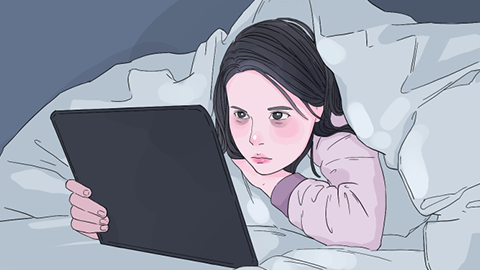
Patients should maintain regular work-rest schedules, ensure adequate sleep and rest, avoid staying up late, and manage any systemic diseases. During periods of sleep deprivation, they should consume light, easily digestible foods and maintain a positive mood—avoiding spicy or stimulating foods. Individuals who habitually stay up late are advised to drink more green tea, which benefits overall health by effectively enhancing immune function and helping reduce cancer risk. Additionally, goji berry tea may be consumed in moderation to alleviate symptoms such as blurred vision and further support immune health.
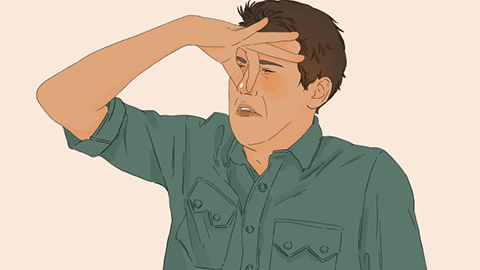
Maintain a rational and consistent daily routine, minimizing late-night activity as much as possible. Chronic sleep deprivation not only increases the risk of nosebleeds but also adversely affects multiple bodily systems, compromising both physical and mental well-being. We hope this information proves helpful.








