


Why does a 1.5-year-old baby drool?

During childhood development, frequent drooling may result from physiological causes or certain underlying medical conditions. Therefore, by carefully observing the child’s actual symptoms and manifestations—and implementing appropriate interventions—serious neurological disorders can be prevented. So, what causes excessive drooling in a 1.5-year-old toddler?
What Causes Drooling in a 1.5-Year-Old Toddler?
The primary causes of drooling in a 1.5-year-old include poor oral hygiene, excessive salivary secretion, and injury to the parotid glands. Drooling during sleep may stem from several factors. For instance, parents’ affectionate habit of frequently pinching or squeezing their child’s cheeks can inadvertently damage the parotid glands, leading to increased drooling. Pressure on the parotid glands may also impair the patency of the parotid duct. In daily life, encouraging regular physical activity helps strengthen the spleen and stomach functions.
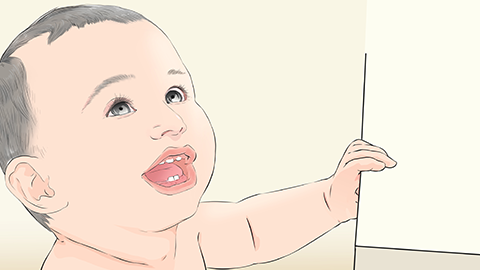
Oral conditions such as aphthous ulcers or herpetic stomatitis can stimulate the salivary glands to produce more saliva. Additionally, painful swallowing may impair the child’s ability to swallow effectively, resulting in drooling. For example, encephalitis may damage the sympathetic and glossopharyngeal nerves that regulate salivary secretion. Similarly, facial nerve palsy leads to diminished or absent local neural function, disrupting normal regulation of salivation and causing drooling. Children with these conditions often present with drooling alongside other associated symptoms.

We recommend maintaining good oral hygiene and providing the child with foods rich in vitamin B1, vitamin B2, and vitamin C. We hope this information is helpful to you.


