


What Causes Teeth Grinding in Infants and Toddlers?

Sleeping is very comfortable, yet some people grind their teeth, snore, or even sleepwalk. Talking during sleep is also quite common; however, even though it is generally normal, it may cause affected individuals to fear going out or being ridiculed. So, what causes teeth grinding in infants and young children?
What Causes Teeth Grinding in Infants and Young Children?
Teeth grinding in infants and young children may be related to digestive system issues, oral health problems, or psychological factors. If the infant has molars, parents should first rule out digestive system disorders. Intestinal parasites or gastrointestinal diseases can easily trigger bruxism. If teeth grinding persists after excluding digestive system disorders, a dental examination is recommended to assess for habits such as unilateral chewing or occlusal interference. If both digestive and oral causes are ruled out, psychological factors should then be considered. Some children experience heightened anxiety or excitement for a period of time, which may lead to nighttime teeth grinding.
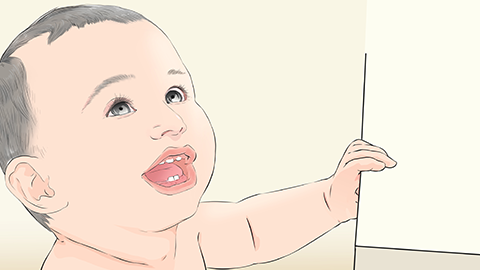
Teeth grinding in infants and young children may also indicate deficiencies in vitamin D or calcium. Parents are advised to adjust their child’s complementary feeding regimen accordingly—providing more foods rich in vitamin D or calcium, such as soy products, whole grains, milk, eggs, and lean meat. Additionally, appropriate sun exposure should be encouraged to enhance nutrient absorption and effectively supplement vitamin D or calcium, thereby alleviating the aforementioned symptoms.
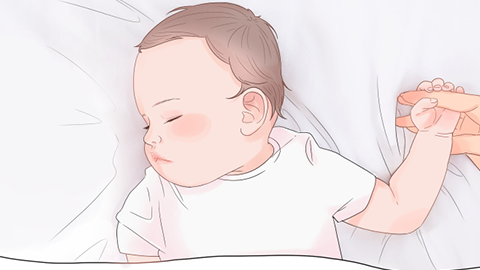
It is advisable to avoid vigorous physical activity before bedtime, maintain good oral hygiene, and consume foods rich in vitamins B1, B2, and C. We hope this information proves helpful.


