


How Should Rheumatoid Arthritis Be Treated?

Rheumatoid arthritis (RA) is highly prevalent among middle-aged and older adults. It causes joint swelling and pain, and in severe cases, may significantly restrict patients’ mobility. Therefore, early detection and timely treatment of RA are essential. Although there is currently no cure for RA, appropriate treatment can effectively control the disease. So, how should rheumatoid arthritis be treated?
How to Treat Rheumatoid Arthritis
Commonly used medications for RA include corticosteroids and nonsteroidal anti-inflammatory drugs (NSAIDs). Patients diagnosed with rheumatic diseases are advised to engage in regular physical exercise to enhance their immune function. The fundamental principles of rheumatic disease management are to slow disease progression, improve clinical symptoms, and enhance patients’ quality of life. In cases of severe disease, patients should seek medical care at a hospital. The primary goals of RA treatment are to reduce joint inflammation, suppress disease progression and irreversible bone destruction, preserve joint and muscle function as much as possible, and ultimately achieve either complete remission or minimal disease activity.
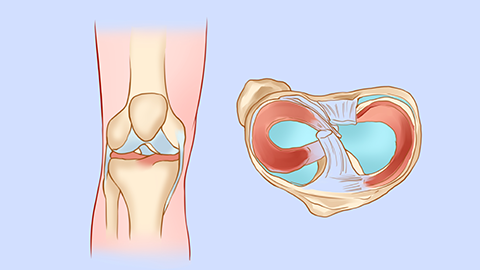
Treatment principles for RA include patient education, early intervention, combination therapy, individualized treatment plans, and functional exercise. Patient education must be comprehensive, enabling individuals to understand their condition accurately, build confidence and patience in overcoming the disease, and actively collaborate with healthcare providers. Additionally, adjunctive therapies—such as physical therapy and topical medications—can provide rapid relief of joint symptoms. Pharmacological treatment regimens must be tailored to each patient. Available therapeutic agents include NSAIDs, disease-modifying antirheumatic drugs (DMARDs), immunosuppressants, and biologic agents.
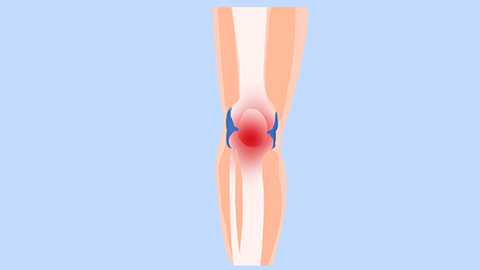
Patients experiencing pronounced joint swelling and pain should rest and immobilize the affected joints. Once swelling and pain subside, early initiation of joint functional exercises is recommended. In daily life, patients should avoid cold exposure, maintain warmth, ensure adequate rest, and prevent excessive fatigue. We hope this information proves helpful to you.


