


Why Do People Snore, and How Is It Treated?

Snoring is a common phenomenon during sleep. Currently, most people consider it widespread and harmless; however, this perception is mistaken. In fact, snoring poses a serious threat to health and may indicate an underlying medical condition. If left untreated, the associated condition may worsen. So, what causes snoring—and how is it treated?
Causes and Treatment of Snoring
Snoring occurs when airflow passes through a narrowed nasal or pharyngeal passage during sleep. This restricted airflow causes vibration of the soft tissues in the pharyngeal wall, producing the characteristic snoring sound. Common causes of nasal or nasopharyngeal narrowing include nasal polyps, deviated nasal septum, chronic rhinitis, sinusitis, adenoid hypertrophy, and nasal tumors. Oropharyngeal narrowing is frequently due to enlarged tonsils or macroglossia (enlarged tongue). Laryngopharyngeal narrowing may result from conditions such as acute pharyngitis or tracheal stenosis. Other contributing factors include obesity and mandibular deformities. Snoring is particularly prevalent among males. If you experience snoring, consult an otolaryngologist (ear, nose, and throat specialist) promptly.
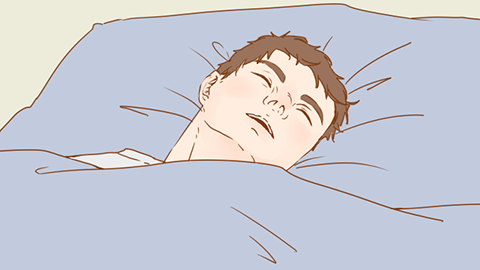
Snoring primarily results from relaxation of the soft tissues in the throat during sleep, leading to restricted airflow and frequent episodes of cerebral hypoxia—thereby causing potential neurological damage. Research shows that individuals with long-term snoring often suffer from obstructive sleep apnea syndrome (OSAS), which occurs repeatedly throughout the night and reduces blood oxygen saturation. Prolonged hypoxia can impair memory and cognitive function. Currently, no scientifically validated folk remedies or home treatments exist for snoring; primary therapeutic approaches include surgical intervention or use of continuous positive airway pressure (CPAP) devices.
If necessary, patients may undergo evaluation by a pulmonologist to identify the underlying cause and receive appropriate treatment based on the physician’s recommendations. Should any discomfort or other symptoms arise, prompt medical evaluation is strongly advised. We hope this information is helpful. Wishing you good health and a joyful life.


