


What does it mean when a thyroid nodule shows blood flow signals?
Jun 28, 2022
Source: Cainiu Health

Dr. Pan Yongyuan
Introduction
The presence of blood flow signals in thyroid nodules on ultrasound examination is a normal phenomenon, as the thyroid gland itself is a highly vascularized endocrine organ. Following nodule formation, vessels distinct from those in normal thyroid parenchyma appear. Angiogenesis is a critical step in thyroid nodule development, and both benign and malignant nodules typically exhibit greater vascularity than normal thyroid tissue.
Thyroid nodules are a common thyroid disorder. Some patients with this condition exhibit blood flow signals on imaging—so what does the presence of blood flow signals in thyroid nodules signify?
What Does the Presence of Blood Flow Signals in Thyroid Nodules Indicate?
Detection of blood flow signals within thyroid nodules on ultrasound is a normal finding, as the thyroid gland itself is a highly vascular endocrine organ. Following nodule formation, new blood vessels develop that differ from those in normal thyroid parenchyma. Angiogenesis—the formation of new blood vessels—is a critical process in nodule development. Both benign and malignant nodules typically exhibit greater vascularity than normal thyroid tissue; however, their blood flow patterns differ.
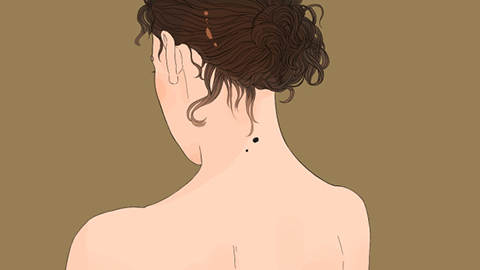
Benign nodules generally display sparse blood flow signals, predominantly located at the periphery. In contrast, malignant nodules tend to show abundant blood flow signals both peripherally and internally, often accompanied by increased blood flow velocity. Thus, blood flow characteristics serve as one important indicator for differentiating benign from malignant thyroid nodules. In its early stages, a thyroid nodule may be asymptomatic. Primary manifestations include a firm or painless, irregularly shaped mass within the thyroid gland. Rapid growth and diminished compressibility are characteristic; in advanced stages, growth accelerates markedly, leading to dysphagia (difficulty swallowing) and regional lymph node enlargement or metastasis.
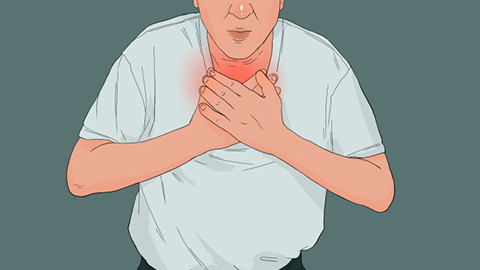
Therefore, once a thyroid nodule is identified, patients should undergo surgical treatment under the guidance of a physician. Postoperatively, dietary recommendations emphasize light, easily digestible meals, and increased intake of plain water. We hope this article has been helpful to you!






