


Is superficial punctate keratitis serious?

The clinical symptoms of different types of conjunctivitis also vary. Superficial punctate keratitis (SPK) is very common among many patients with keratitis. If a patient develops this condition, their vision may be affected; thus, it must not be taken lightly and requires prompt treatment. Of course, prior to initiating treatment, it is essential to recognize the disease’s symptoms. So, how serious is superficial punctate keratitis?
Is superficial punctate keratitis serious?
Superficial punctate keratitis is generally not considered a severe disease. With timely and active treatment, most patients recover within one to two weeks. However, if neglected or left untreated after onset, the condition may persist or recur. Therefore, upon developing SPK, it is advisable to seek medical attention at a hospital as soon as possible. Currently, treatment typically involves topical medications prescribed by an ophthalmologist—such as retinyl palmitate eye gel or recombinant bovine basic fibroblast growth factor (bFGF) eye drops—which have demonstrated good efficacy. This is especially important because corneal diseases can progress rapidly, and clinical manifestations may change quickly.
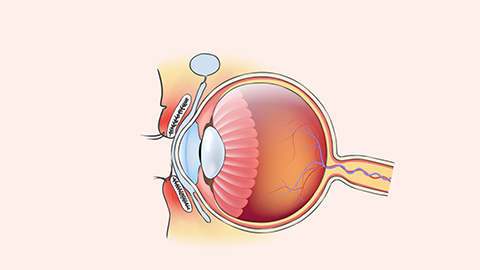
Superficial punctate keratitis primarily refers to keratitis characterized by punctate epithelial defects on the cornea. In most cases, symptoms are mild or even absent; common complaints include a foreign-body sensation, though some patients may experience no noticeable symptoms at all. The condition is mainly caused by underlying etiological factors and tear film insufficiency, and management focuses on eliminating the cause and supplementing artificial tears. SPK is defined by discrete, superficial punctate lesions confined to the corneal epithelium, with minimal depth of involvement. If diagnosed with SPK, patients should promptly consult an ophthalmologist for evaluation and receive specific treatment—including medication—strictly under professional medical guidance.
Patients are advised to protect their eyes in daily life: avoid prolonged screen time on electronic devices and perform eye exercises regularly each day. We hope this information has been helpful to you.


