


What Is Pseudomyopia?

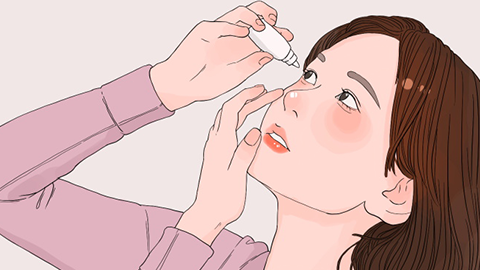
This may result from improper eye posture during daily activities, excessive eye strain, and insufficient outdoor exercise—leading to eye fatigue and subsequently causing pseudomyopia. It is advisable to take your child to a hospital for an ophthalmologic examination. If myopia is indeed diagnosed, atropine ointment may be administered to dilate the pupils, thereby eliminating pseudomyopia. But what exactly is pseudomyopia?
What Is Pseudomyopia?
Pseudomyopia occurs when prolonged, sustained near-vision tasks cause ciliary muscle spasm, resulting in increased lens curvature and enhanced refractive power. Consequently, parallel light rays entering the eye are focused anterior to the retina after passing through the eye’s optical system. This leads to blurred distance vision and predisposes the individual to visual fatigue. Although concave lenses can improve distance visual acuity, they may exacerbate symptoms of eye fatigue. In contrast, cycloplegic refraction using atropine eye drops often reveals mild hyperopia or emmetropia.
If pseudomyopia is incorrectly corrected with myopic spectacles, it may progress to true (axial) myopia. Therefore, accurate diagnosis requires comprehensive ophthalmologic evaluation and cycloplegic refraction. Myopia is a common ocular disorder; in recent years, its prevalence has risen annually—attributed largely to increasing academic pressure among students and widespread use of electronic devices. Blurred distance vision with preserved clarity for near objects should raise suspicion for myopia.

In daily life, patients are encouraged to maintain a positive mindset and actively cooperate with their physicians during treatment. Medications should be taken on schedule and in the prescribed dosage, while proper daily eye care should be observed to facilitate prompt clinical improvement. We hope this article proves helpful to you.


