


How to correct astigmatism
Jun 29, 2022
Source: Cainiu Health

Dr. Chen You
Introduction
Currently, there is no way to restore astigmatism to a normal state. With the widespread use of electronic devices, the number of individuals with astigmatism is increasing annually. Astigmatism is primarily categorized into regular and irregular types. It rarely occurs in isolation but commonly coexists with myopia or hyperopia. When astigmatism develops, patients should promptly seek medical evaluation and diagnosis. At present, astigmatism cannot resolve spontaneously.
Currently, in clinical practice, astigmatism does not resolve spontaneously once it develops. The only available approach is to implement appropriate daily eye care to slow its progression. For patients diagnosed with astigmatism, standard treatment options include wearing corrective eyeglasses or orthokeratology (ortho-k) lenses. So, how can astigmatism be corrected or improved?
How Can Astigmatism Be Corrected or Improved?
At present, there is no method to fully restore the cornea or lens to a perfectly normal, non-astigmatic state. With the widespread use of electronic devices, the prevalence of astigmatism continues to rise annually. Astigmatism is broadly classified into regular and irregular types. It rarely occurs in isolation; instead, it commonly coexists with myopia (nearsightedness) or hyperopia (farsightedness). When astigmatism is suspected, patients should seek timely ophthalmic evaluation and diagnosis. As noted, astigmatism cannot resolve on its own—therefore, diligent daily eye care remains essential to delay its progression. Standard management for astigmatism includes prescription eyeglasses or ortho-k lenses.
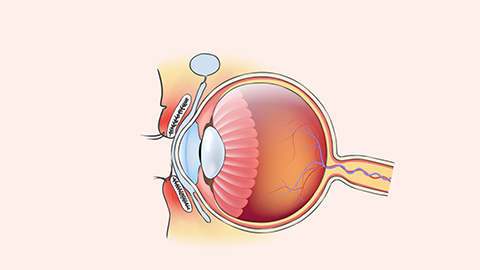
In daily life, patients are advised to consume more vegetables and fruits—particularly those rich in lutein or vitamins beneficial for ocular health. Increasing time spent outdoors, avoiding prolonged visual strain, ensuring adequate eye rest, and performing gentle eye massages may also help support eye health. For individuals who work extensively with digital screens, wearing blue-light-filtering glasses may alleviate visual fatigue and potentially slow astigmatism progression.

In daily life, patients are encouraged to maintain a positive mindset and actively cooperate with their ophthalmologist’s treatment plan. Adhering strictly to prescribed medications (if applicable) and maintaining consistent eye care practices will help optimize outcomes and promote timely improvement of symptoms.





