


How many days does it take for conjunctivitis to develop after infection?

Many people suffering from conjunctivitis—commonly known as “pink eye”—are familiar with this prevalent condition. For patients, identifying an effective treatment is critically important. If you or someone you know has pink eye, you’ve likely heard the saying, “Medication works better than tonics.” But how soon after exposure does pink eye actually develop?
Incubation Period of Pink Eye
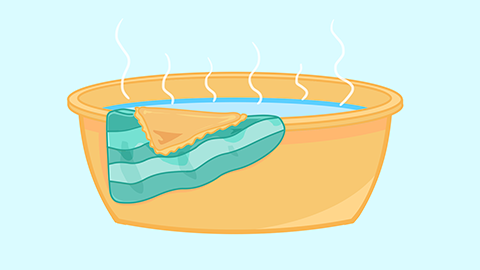
After infection, pink eye typically manifests within 1–3 days. Symptoms usually appear in both eyes simultaneously, or in one eye followed by the other within 1–2 days. The most severe symptoms generally occur on days 3–4. Pink eye is an acute bacterial conjunctivitis and is highly contagious. Transmission primarily occurs through direct contact; therefore, individuals diagnosed with pink eye should avoid public places and refrain from going to work or school. At home, surfaces frequently touched by the patient should be promptly disinfected and cleaned, along with personal items such as towels and washbasins. As prescribed by a physician, topical anti-inflammatory eye drops and ointments should be administered. Early, frequent application of eye drops is recommended to effectively control inflammation progression.
Pink eye is a contagious form of conjunctivitis—an acute infectious inflammation of the eye. Affected individuals experience noticeable redness of the eyes. Conjunctival infection often produces discharge, commonly causing a gritty, sandy sensation upon waking in the morning. Primary symptoms include conjunctival hyperemia (redness), mucoid discharge, initial ocular pain, itching, foreign-body sensation, photophobia, burning, excessive tearing, ocular discomfort, blurred vision, and increased secretions.

Patients are advised to maintain strict ocular hygiene and avoid overuse of the eyes. We hope this information proves helpful.


