


How long does keratitis take to heal?

Keratitis is a highly prevalent ocular disease caused by bacterial or viral invasion of the cornea, leading to inflammation. It presents with numerous infectious symptoms, such as eye pain and discharge. Because this condition poses significant risks to ocular health, prompt treatment is essential to alleviate symptoms and prevent complications. So, how long does it take for keratitis to resolve?
How Long Does Keratitis Take to Resolve?
The recovery time for keratitis depends on its type and severity. In cases of allergic keratitis—triggered by exposure to allergens—symptoms typically resolve within approximately one week using saline irrigation or antiallergic medications; however, more severe cases may require up to two weeks. For bacterial or viral keratitis with mild infection, timely anti-inflammatory or antibiotic therapy usually leads to recovery in about two weeks. In contrast, severe infections may take up to one month to resolve. If keratitis is severe and left untreated, it may recur repeatedly and, in extreme cases, necessitate corneal transplantation—making the recovery timeline highly unpredictable.
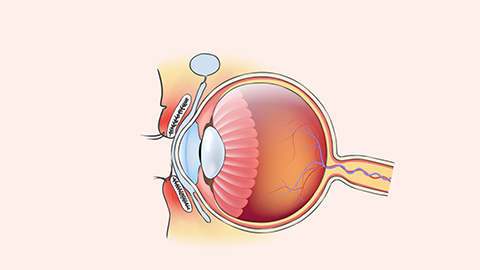
In the early stage of infection, physicians aim to eradicate the pathogen. Once eliminated, the pathogen is gradually absorbed by local tissues, and ulcers heal as the inflammatory infiltrate resolves. Thus, recovery times vary significantly depending on disease severity—some cases may even require six months of treatment. In contrast, punctate keratitis secondary to dry eye syndrome or other mild corneal conditions tends to resolve more rapidly, since the corneal epithelium is a highly metabolically active tissue that renews itself completely within seven days; consequently, relatively superficial lesions often heal within one week. Infectious keratitis, however, generally follows a prolonged course, requiring ongoing medication adjustments based on clinical progression—and some forms may prove refractory to treatment.

Ocular care requires diligence. If keratitis develops, patients must closely follow their physician’s recommendations and actively cooperate with prescribed treatment. We hope this information proves helpful.


