


How is cataract caused by high myopia treated?
Jun 29, 2022
Source: Cainiu Health

Dr. Chen You
Introduction
For cataracts associated with high myopia, if vision is significantly impaired, cataract surgery may be considered—a more effective treatment option. Cataract surgery not only addresses vision loss caused by cataracts but may also reduce or eliminate preexisting high myopia, potentially resulting in emmetropia or low myopia. Generally, if both eyes have high myopia, surgical correction can be performed after refractive stability has been achieved.
The eyes are an extremely important part of the human body; however, an increasing number of people today suffer from myopia—primarily due to improper or excessive use of the eyes in daily life. If myopia is not treated promptly, it may progress to high myopia. High myopia not only significantly impairs quality of life but also poses serious risks to both physical and mental health. So, how is cataract caused by high myopia treated?
How is cataract caused by high myopia treated?
For patients with cataracts secondary to high myopia, cataract surgery is recommended when vision is significantly affected—a highly effective treatment option. Cataract surgery not only addresses vision loss caused by cataracts but can also reduce or eliminate pre-existing high myopia, potentially resulting in emmetropia (no refractive error) or mild myopia. Generally, if both eyes have high myopia, after the first eye has stabilized postoperatively, cataract surgery may be performed on the second eye. Performing surgery on only one eye leaves the other eye with uncorrected high myopia.
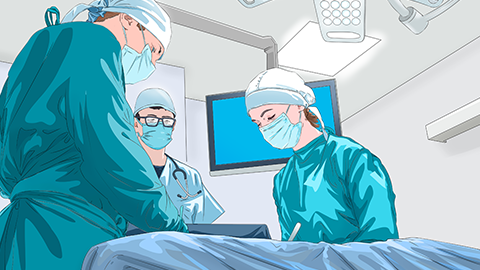
Having one eye emmetropic or mildly myopic while the other remains highly myopic leads to binocular imbalance, causing significant visual discomfort. Additionally, for patients with high myopia, fundus examination should be performed before surgery if the fundus is visible—to detect any underlying retinal pathology early and to better predict postoperative visual recovery. If the fundus cannot be visualized preoperatively, a thorough fundus examination should be conducted after surgery.
Patients are advised to avoid eye injury, rubbing the eyes, and strenuous physical activity following surgery. We hope this information proves helpful.





