


What Are the Symptoms of Myopia and How Is It Treated?

Many children today exhibit symptoms of myopia (nearsightedness), which can occur at any age. Although myopia does not cause obvious physical harm, long-term uncorrected myopia may adversely affect eye health and even impact facial aesthetics. So, what are the symptoms of myopia, and how is it treated?
Symptoms and Treatment of Myopia
Symptoms of myopia include reduced distance vision, structural changes in the eyeball, and eye fatigue. When viewing distant objects, individuals with myopia experience a significant decline in visual acuity—distant objects appear blurry, while near objects remain relatively clear. Consequently, many patients unconsciously squint or tilt their head when attempting to see faraway objects. In high myopia, progressive anatomical changes occur in the eye: the eyeball gradually becomes more prominent, and the axial length increases. Many patients develop posterior staphyloma (posterior bulging of the eyeball) and posterior scleral ectasia. Individuals with myopia commonly report eye strain; after a short period of visual activity, they may experience ocular soreness, dryness, and occasionally headaches.
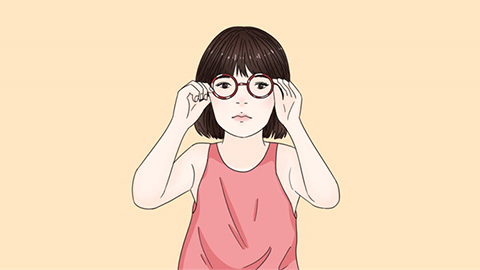
Myopia is typically managed with corrective eyeglasses or contact lenses. For those seeking a permanent solution, refractive surgery—such as laser-assisted in situ keratomileusis (LASIK)—may be considered. Myopia often develops due to prolonged improper use of the eyes, especially excessive screen time on electronic devices. Genetic factors also play a role: if both parents have myopia, the likelihood of passing it on to their children is relatively high. During treatment and management, patients should minimize screen time and avoid activities that may exacerbate progression of refractive error.
Patients are advised to engage in regular physical exercise, maintain a balanced diet, and ensure adequate sleep. We hope this information proves helpful.


