


How can conjunctivitis be cured?

When it comes to “pink eye” (conjunctivitis), many people are likely quite familiar with it—numerous individuals have experienced it firsthand. So, how does one recover from pink eye?
How to Recover from Pink Eye
First and foremost, patients diagnosed with pink eye must maintain strict ocular hygiene. Acute conjunctivitis is often accompanied by copious ocular discharge; therefore, relying solely on medication is insufficient. Meticulous eye care and cleanliness are essential. Irrigate the eyes with sterile normal saline or a 3% boric acid solution, followed by instillation of prescribed eye drops to maximize therapeutic efficacy. During the initial phase of acute conjunctivitis, cold compresses should be applied to help reduce swelling and redness. Conversely, warm compresses may exacerbate ocular congestion, potentially spreading inflammation and worsening the condition. When inflammation remains uncontrolled, corticosteroid eye drops should be avoided—especially in cases of viral conjunctivitis, where their use is strictly contraindicated.
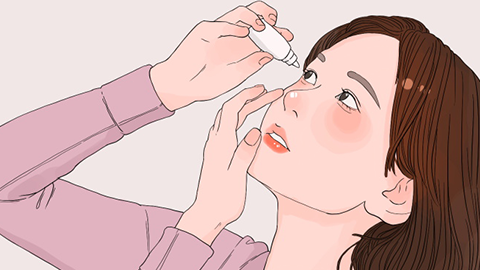
Once infected with pink eye, patients typically develop redness and a painful sensation within the eyes; thus, prompt medical treatment is crucial. Pink eye commonly arises from poor eye hygiene or concurrent upper respiratory infections (e.g., colds). In such cases, topical antiviral and anti-inflammatory eye drops—such as ganciclovir or levofloxacin eye drops—should be administered. Additionally, patients should drink plenty of water, wash hands frequently, use separate washbasins and towels to prevent cross-contamination, consume ample fresh fruits and vegetables, and refrain from rubbing the eyes. Full recovery generally takes approximately 10 days to two weeks.

Note that pink eye incidence peaks during summer months. After swimming, applying prophylactic anti-inflammatory eye drops may help prevent infection. We hope this information proves helpful to you.


