


What activities are beneficial for myopia?

People often say that the eyes are the windows to the soul—through them, we perceive all the beauty the world has to offer. Glasses-wearers are ubiquitous on city streets, many donning thick lenses daily. Over time, this can significantly affect one’s appearance and impose considerable inconvenience and limitations on daily life and physical activities. So, what activities or habits benefit individuals with myopia?
What Helps with Myopia?
Practicing distance gazing, consuming more green leafy vegetables and carrots, maintaining good ocular hygiene, and using prescribed eye drops when necessary can all be beneficial for myopia. Certain physical activities—such as fine visual-sensory training—also help; examples include table tennis, badminton, and targeted basketball shooting. These sports enhance visual focus and coordination, thereby offering benefits for myopia management. Additionally, multispectral light exposure therapy and reverse-palming exercises may help slow myopia progression, relax the ciliary muscle, and contribute to myopia treatment. Thus, these activities hold therapeutic value for individuals with myopia.

Myopia (nearsightedness) occurs when, in a relaxed accommodative state, parallel light rays entering the eye are refracted and focused *in front of* the retina. Its development is influenced by both genetic (inherited) and environmental (acquired) factors. Clinically, myopia presents as blurred distance vision while near vision remains relatively clear. In early-stage myopia, patients often experience fluctuating distance vision and may develop esotropia (inward deviation of the eye) when viewing distant objects.
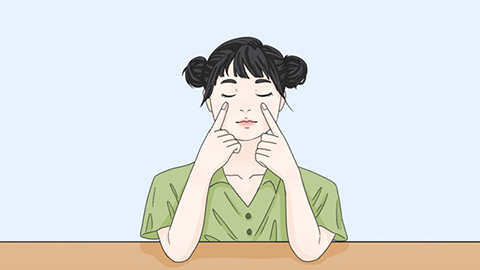
In daily life, patients should maintain a positive mindset, actively cooperate with their physicians during treatment, take medications as prescribed—both in dosage and timing—and adhere to proper daily eye care practices to facilitate timely improvement of their condition. We hope this information proves helpful to you.


