


Will pink eye remain contagious after it has been cured?

Conjunctivitis (commonly known as “pink eye”) is a common ocular infectious disease—but it is not frightening. Maintaining good eye hygiene in daily life—such as avoiding sharing handkerchiefs or using handkerchiefs to touch the face and eyes—can significantly reduce the risk of infection. But once conjunctivitis has been successfully treated, is it still contagious?
Is conjunctivitis contagious after recovery?
No, conjunctivitis is not contagious after full recovery. Also known as bacterial conjunctivitis, this condition is primarily caused by bacterial infection. It is highly contagious, mainly spreading through direct contact. During the acute phase—when copious eye discharge is present—the infectivity is strongest. If patients touch their eye secretions with their hands or clothing, cross-infection between both eyes may occur. However, once the disease is fully resolved, eye discharge typically disappears entirely, eliminating any further risk of transmission. When conjunctivitis occurs and significant discharge is present, the conjunctival sac should be irrigated with normal saline or boric acid solution to maintain local ocular cleanliness and minimize opportunities for contact transmission.
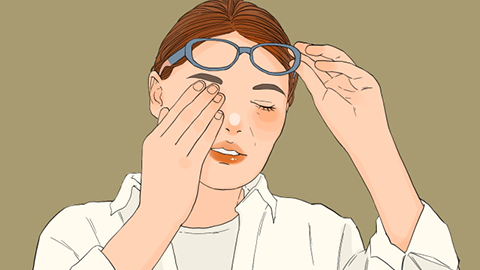
In daily life, patients must pay close attention to ocular health. They should avoid consuming spicy or stimulating foods—such as Sichuan-style hotpot or spicy fish—and limit intake of “heat-inducing” foods like leeks, garlic, dog meat, and mutton. Seafood should also be consumed sparingly. Instead, patients should follow a light, balanced diet rich in leafy green vegetables and ensure adequate vitamin intake to support overall eye health.

Patients are advised to schedule regular ophthalmologic examinations to monitor their eye health closely. We hope this information proves helpful.


