


Can elderly people die from pink eye?

Conjunctivitis (commonly known as “pink eye”) is a very common condition in daily life. Many people have suffered from this uncomfortable illness. After developing conjunctivitis, the eyes often feel heavy and are accompanied by significant discomfort. Consequently, most individuals seek prompt treatment—but many are unaware of the correct therapeutic approach. So, can conjunctivitis be fatal in elderly patients?
Can conjunctivitis be fatal in elderly patients?
No, conjunctivitis is not life-threatening in elderly patients. Bacterial conjunctivitis can be effectively treated with antibiotic eye drops or ointments. Most cases of viral conjunctivitis do not require specific treatment and typically resolve spontaneously within four to seven days. Allergic conjunctivitis may improve immediately upon removal of the allergen; if symptoms are severe, antiallergic eye drops may be added. To alleviate pain and discomfort caused by bacterial infection, local cold compresses applied to the eyes may help.
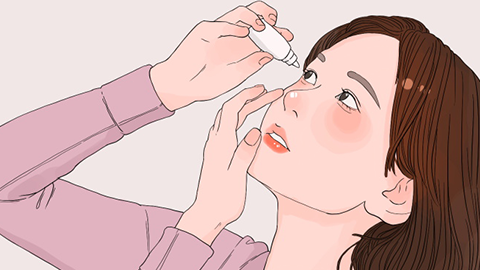
Use separate gauze pads for each eye to prevent cross-infection—and wash them thoroughly after each use. When cleaning ocular discharge, wipe gently from the inner canthus outward to avoid introducing additional contaminants into the eye. Infection prevention remains paramount. Patients with bacterial conjunctivitis may generally resume work or return to school 24 hours after initiating appropriate antibiotic therapy—provided symptoms have improved. In contrast, those with viral conjunctivitis should remain isolated until all symptoms have fully resolved, as the condition remains contagious throughout its entire course.
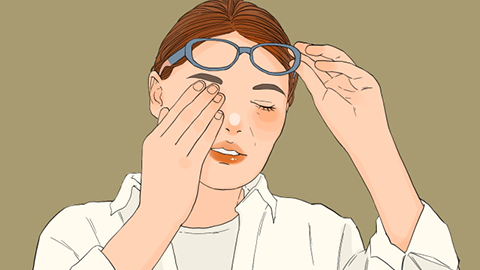
Patients are advised to avoid consuming “trigger” foods (e.g., seafood, lamb, or other traditionally considered “heat-inducing” foods) and pickled or highly processed foods. Instead, they should follow a light, bland diet and refrain from rubbing their eyes.


