


Is 50 diopters of astigmatism considered high?

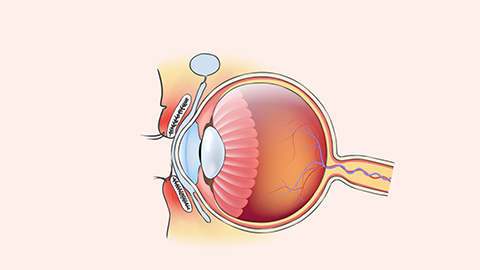
Astigmatism refers to a condition in which parallel light rays entering the eye from beyond 5 meters fail to converge into a single focal point on the retina after passing through the eye’s refractive system; instead, they form a focal line. Astigmatism is categorized into regular and irregular types. Regular astigmatism can be corrected with eyeglasses, whereas irregular astigmatism cannot.
Is 50 diopters of astigmatism considered severe?
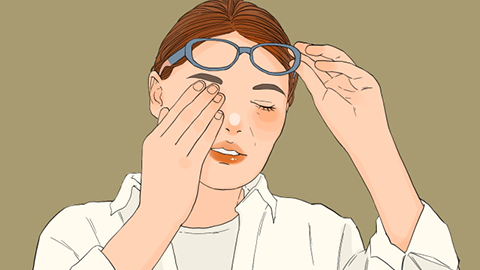
Fifty diopters of astigmatism is not considered severe. However, this degree may cause noticeable discomfort for some individuals. For instance, affected individuals may experience heightened photophobia (light sensitivity) outdoors compared to those with normal vision. They may consistently perceive objects as blurry or lacking sharp edges, or notice that objects appear slightly distorted or tilted. This type of astigmatism may also lead to dry eyes and exacerbated visual fatigue—especially after prolonged near work. That said, some individuals with 50-diopter astigmatism may experience no obvious symptoms due to natural compensatory mechanisms. Nevertheless, even mild astigmatism warrants correction with properly prescribed glasses. Doing so helps maintain relative visual comfort during daily activities—including work and study—and prevents unnecessary ocular strain. Although 50 diopters is not clinically severe, correction is still recommended.
Maintain proper posture: During work or study, adopt an ergonomically appropriate and comfortable sitting position. Position the center of your computer screen or book at approximately the same height as your chest. Keep your eyes 40–50 cm away from the screen or page, and use an adjustable-height chair whenever possible. Consciously blink frequently while working—or close your eyes periodically for brief rest breaks.
In daily life, cultivate healthy lifestyle and dietary habits. We hope this information proves helpful to you.


