


What are the symptoms of keratitis caused by filamentous fungi?

Keratitis is an inflammatory condition affecting the outer surface of the eye (the cornea). Because this area is readily exposed to the external environment, it is susceptible to accidental injury. In mild cases, keratitis may manifest as photophobia (sensitivity to light) and excessive tearing; in severe cases, it can lead to blindness. What are the symptoms of filamentous fungal keratitis?
Symptoms of Filamentous Fungal Keratitis
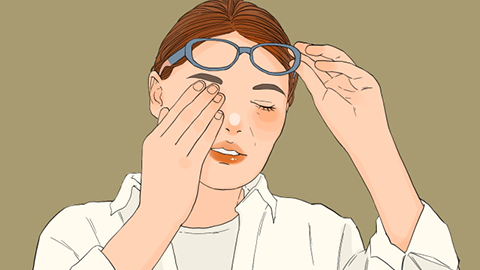
Filamentous keratitis refers to a condition in which filamentous strands—composed of degenerated epithelial cells and mucus—form on the corneal surface due to various underlying causes. Clinically, filamentous keratitis presents with pronounced symptoms and poses challenges for treatment; it also tends to recur. Typically, patients experience foreign-body sensation, photophobia, and epiphora (excessive tearing). Symptoms worsen upon blinking but ease when the eyes are closed. During routine examination, dark, curled, fine filaments are visible on the cornea: one end remains attached to the corneal epithelium, while the other end floats freely and can be displaced with gentle manipulation.
Patients diagnosed with filamentous keratitis should undergo thorough evaluation to identify the underlying cause, followed by targeted treatment. Contributing factors—such as prolonged contact lens wear, inappropriate ocular medication use, or extended eye patching—must be promptly addressed and corrected. If the foreign-body sensation caused by the filaments is prominent, the filaments should be carefully removed, followed by application of topical antibiotic ointment and occlusion of the affected eye for 12–24 hours. Additionally, patients may benefit from oral vitamin supplementation as part of supportive care.
In daily life, patients should maintain a positive mindset, actively cooperate with their physicians, adhere strictly to prescribed medication regimens (both dosage and timing), and practice diligent ocular hygiene. These measures collectively promote faster clinical improvement. We hope this information proves helpful to you.


