


What are the causative bacteria of bacterial keratitis?

Bacterial keratitis is caused by various pathogens, including *Staphylococcus aureus*, *Pseudomonas aeruginosa*, *Streptococcus pneumoniae*, *Staphylococcus epidermidis*, and *Escherichia coli*. If you experience any discomfort or symptoms, seek prompt medical attention at a hospital and follow your physician’s instructions for management.
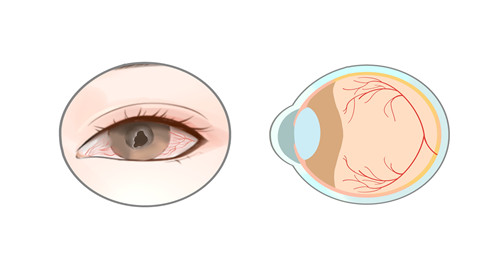
1. Staphylococcus aureus: Widely distributed in nature, this bacterium is one of the most common causative agents of bacterial keratitis. It can invade the eye through breaks in the corneal epithelium, triggering inflammation. Its multiple toxins damage corneal tissue, potentially leading to severe complications such as corneal ulceration and perforation. Due to its relatively high antibiotic resistance, treatment must be guided by antimicrobial susceptibility testing to select appropriate antibiotics.
2. Pseudomonas aeruginosa: Commonly found in water and soil, this pathogen exhibits strong virulence. Its secreted proteolytic enzymes rapidly degrade corneal collagen fibers, resulting in an acute onset and rapid disease progression—extensive corneal necrosis and ulceration may occur within hours, severely threatening vision. Because *P. aeruginosa* is frequently resistant to multiple antibiotics, timely administration of sensitive antimicrobial agents is critical upon diagnosis.
3. Streptococcus pneumoniae: A commensal organism commonly colonizing the human nasopharynx, it may cause infection following corneal trauma or immunosuppression. Pneumococcal keratitis typically presents with characteristic “creeping” (serpiginous) ulcers—ulcer margins advance subepithelially and extend both peripherally and deeper into the stroma, often accompanied by hypopyon. This significantly impairs corneal transparency and visual function.
4. Staphylococcus epidermidis: A normal resident of human skin and mucosal surfaces, this organism is generally nonpathogenic but may opportunistically invade the cornea when the ocular surface barrier is compromised or corneal integrity is disrupted. Keratitis caused by *S. epidermidis* tends to be milder and progress more slowly than infections due to other bacteria; however, delayed or inadequate treatment may still impair corneal healing and lead to visual deterioration.
5. Escherichia coli: Primarily residing in the intestinal tracts of humans and animals, *E. coli* may reach the eye via contaminated water or inadequately sterilized medical instruments, causing corneal infection. *E. coli*-associated keratitis commonly manifests with corneal edema and infiltration; severe cases may develop corneal abscesses. Antibiotic selection should be tailored according to the severity of infection and local bacterial resistance patterns.
Patients are advised to consume plenty of fresh fruits and vegetables, avoid spicy foods, and maintain regular physical activity.


