


What are the symptoms of overcorrection of astigmatism?

Spending little time outdoors, holding books too close to the eyes while reading or writing, and prolonged use of the eyes can lead to eye fatigue, resulting in symptoms such as declining vision, blurred reading, double vision, and other discomforts. So, what symptoms may occur with overcorrection of astigmatism?
Symptoms of Overcorrected Astigmatism
Astigmatism commonly causes decreased visual acuity and double vision. To see objects more clearly, individuals often develop the habit of squinting—partially closing their eyes—to focus. Patients with astigmatism are also prone to visual fatigue, accompanied by dizziness, headaches, photophobia (light sensitivity), and excessive tearing. In severe cases, astigmatism may even contribute to strabismus (misaligned eyes), amblyopia (lazy eye), or torticollis (wry neck). Since astigmatism stems from a refractive error, it frequently leads to impaired vision. When astigmatism is mild, visual impairment may not be particularly noticeable; however, with higher degrees of astigmatism, both distance and near vision become blurry. When astigmatism is present, the cornea’s curvature becomes irregular, causing objects viewed through the eye to appear distorted before their images even reach the retina.
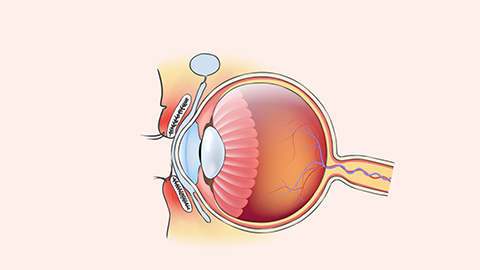
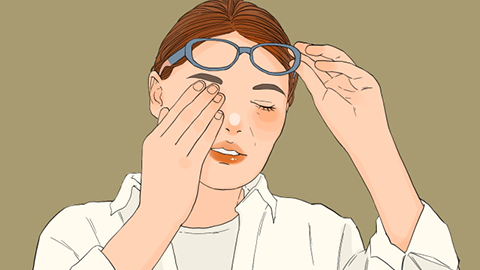
Because vision is consistently blurry in astigmatism, people unconsciously attempt to adjust how they view objects to achieve clearer sight. For instance, squinting creates a narrow slit-like aperture that temporarily sharpens focus on distant objects. Over time, this may evolve into a habitual half-squint—but this habit can actually worsen astigmatic symptoms.
Individuals with astigmatism should pay special attention to their diet. Consuming foods rich in vitamin A helps nourish the eyes. It is advisable to avoid spicy foods such as chili peppers, onions, ginger, and garlic; cold foods including crab and frozen items; and sweets like candies and cakes. We hope this information proves helpful to you.


