


How to Avoid Contracting Conjunctivitis

Conjunctivitis—commonly known as “pink eye”—is a highly prevalent condition in daily life, and many people have experienced its discomfort. After contracting conjunctivitis, individuals often feel a heavy, uncomfortable sensation in the eyes. Consequently, most people seek prompt treatment but are uncertain about the correct approach. So, how can one prevent the transmission of conjunctivitis?
How to Prevent the Transmission of Conjunctivitis
Avoid contact with the eye secretions of infected individuals, as this helps prevent conjunctivitis infection. Conjunctivitis is a common acute infectious inflammation of the conjunctiva, typically caused by bacteria, viruses, or other microorganisms, and it spreads through specific transmission routes. Following infection, patients commonly develop red, swollen eyes and increased ocular discharge—particularly in cases caused by bacterial or viral infections. Thick eye secretions frequently accumulate, and contact with healthy eyes may lead to secondary infection.
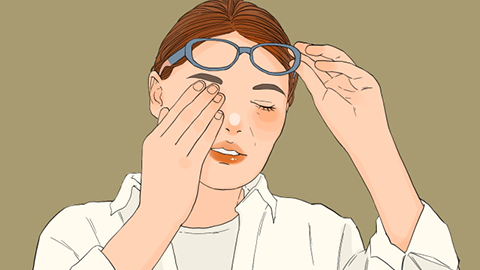
During active conjunctivitis, copious mucopurulent discharge is typical, though vision is generally unaffected. Without timely treatment, some cases may progress to chronic conjunctivitis. The primary treatment involves topical ophthalmic medications—specifically, antibiotic eye drops. In severe cases accompanied by systemic symptoms, comprehensive, standardized management is required. A commonly prescribed antibiotic eye drop is lomefloxacin hydrochloride eye drops. Additionally, attention to everyday hygiene practices is essential—for instance, promptly disinfecting clothing and woolen towels used by the patient to prevent recurrent infection.

Healthy individuals are advised to adopt personal protective measures and avoid contact with infected eye secretions. Patients, in turn, should take precautions to prevent their secretions from contacting others, thereby minimizing transmission risk. We hope this information proves helpful.


