


Is astigmatism in children severe?

Due to fluctuations in ambient lighting conditions and changes in ozone layer thickness, along with the increasing prevalence of electronic devices, many children develop myopia or astigmatism at a very young age. When a child’s vision becomes impaired, prompt treatment is essential. So, how serious is astigmatism in children?
How Serious Is Astigmatism in Children?
Astigmatism in children is generally not severe. If the degree is mild, it has minimal impact on vision. However, if astigmatism is high, the child may see clearly only at near distances while experiencing blurred vision at far distances. Although this can affect quality of life to some extent, it poses no major health risks. Therefore, there is no need to fear astigmatism. Mild astigmatism (under 100 diopters) typically does not interfere with daily life or academic performance and may not require correction. For higher degrees of astigmatism, cylindrical lenses can effectively correct the refractive error and significantly improve visual acuity.
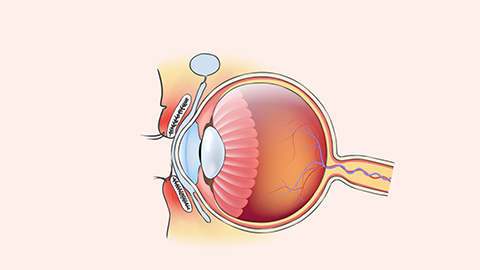
In daily life, parents must encourage children—especially school-aged children—to use their eyes scientifically. Failure to adopt proper eye-use habits may lead to rapid progression of myopia within a short period. Therefore, after reading or completing homework, children should look at green plants to relax their eye muscles. Screen time with electronic devices should also be limited. Regular outdoor physical activity is highly recommended. Parents can further support ocular health by incorporating eye-beneficial foods into their children’s diet—for example, carrots, which are rich in vitamins and particularly helpful for managing both myopia and astigmatism.
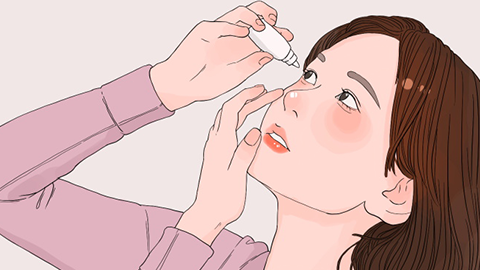
In daily life, patients should maintain a positive attitude, actively cooperate with medical treatment, and prioritize routine eye care to facilitate timely improvement of their condition. We hope this information is helpful to you.


