


How to Determine Whether Dizziness Is Caused by Cervical Spondylosis
Jun 29, 2022
Source: Cainiu Health

Dr. Lin Yunfei
Introduction
To determine whether dizziness is caused by cervical spondylosis, one must assess the specific nature of neck pain. If neck pain occurs in the neck region and radiates to the surrounding shoulder area, and if headache symptoms persist under these circumstances, cervical spondylosis may be the underlying cause. Patients with such symptoms should avoid frequent neck flexion and refrain from excessive movement of the painful cervical region.
Some patients with cervical spondylosis simultaneously experience dizziness, prompting them to wonder whether their dizziness is caused by cervical spondylosis. How, then, can one determine whether dizziness is attributable to cervical spondylosis?
How to Determine Whether Dizziness Is Caused by Cervical Spondylosis
To assess whether dizziness stems from cervical spondylosis, one must carefully evaluate the specific nature of neck pain. If neck pain originates in the cervical region and radiates to the surrounding shoulder area—and if headache symptoms persist under these circumstances—cervical spondylosis may indeed be the underlying cause. Such patients should avoid prolonged or frequent neck flexion (e.g., looking down) and minimize movement or strain on the painful cervical region.

If dizziness occurs suddenly while the patient is at rest, it is unlikely to be related to cervical spondylosis. Conversely, if dizziness manifests as a heavy, oppressive sensation—accompanied by persistent fatigue and mental sluggishness—it is more likely due to cerebral hypoperfusion; such cases warrant evaluation by a neurologist. If dizziness is accompanied by a sensation of spinning or whirling around—the feeling akin to intoxication—it typically indicates vestibular dysfunction originating from the inner ear, necessitating consultation with an otolaryngologist (ENT specialist) or ophthalmologist/otolaryngologist (depending on local specialty structure).
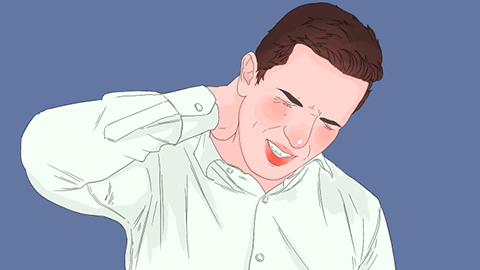
If dizziness co-occurs with confirmed cervical spondylosis and is determined to be secondary to it, patients should avoid lifting heavy objects or performing sudden, forceful movements—both of which risk acute injury. Daily precautions against cold and wind exposure are essential to prevent upper respiratory infections, which may exacerbate cervical symptoms. Additionally, patients with cervical spondylosis should engage in appropriate physical activity; insufficient exercise may lead to cartilage malnutrition and accelerated degeneration. We hope this information proves helpful!


