


Can people with cervical spondylosis practice yoga?

Many people regularly practice yoga, believing it helps maintain physical fitness and body shape. But can individuals with cervical spondylosis practice yoga?
Can individuals with cervical spondylosis practice yoga?
Individuals with cervical spondylosis may appropriately engage in yoga-based functional exercises. Such exercises can effectively relieve local muscle spasm, enhance regional blood circulation, improve oxygen and nutrient delivery to affected tissues, and thereby alleviate localized pain symptoms associated with cervical spondylosis. However, yoga training is not recommended for patients with severe radicular-type cervical spondylosis or myelopathic-type cervical spondylosis. Performing yoga under these conditions may impair optic nerve function and potentially lead to varying degrees of paralysis.

Patients with severe cervical spondylosis may practice yoga during symptom-relief phases. However, if the patient is currently experiencing an acute exacerbation of cervical spondylosis, strict immobilization and rest are required. Once active treatment has been initiated and symptoms have significantly improved, patients may gradually begin yoga-inspired therapeutic exercises. Yoga includes numerous postures specifically targeting the spine—especially the cervical spine—such as the Locust Pose and Downward-Facing Dog Pose. Practicing these poses can help gradually restore the physiological cervical lordosis and strengthen the surrounding musculature, thereby supporting cervical recovery and helping prevent recurrence of cervical spondylosis.
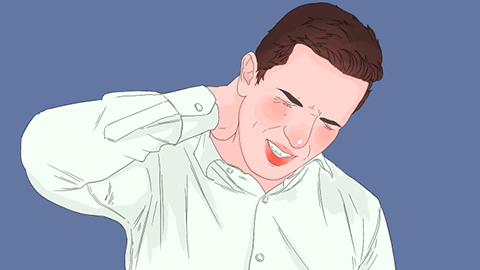
In daily life, patients should avoid prolonged immobility of the cervical spine while also ensuring adequate warmth in this region. Combining such preventive measures with appropriate yoga-based exercises can effectively reduce the risk of cervical spondylosis recurrence. We hope this article has been helpful to you. Wishing you a joyful life and good health!


