


Can moxibustion treat cervical spondylosis?

Moxibustion is a common physical therapy method used in daily life. It can enhance blood circulation, and typical forms include moxa sticks and moxa cones. Can moxibustion treat cervical spondylosis?
Can moxibustion treat cervical spondylosis?
Yes, moxibustion can be used to treat cervical spondylosis. Cervical spondylosis develops gradually over time, and as a traditional Chinese medicine (TCM) therapy, moxibustion offers certain therapeutic benefits for this condition. By applying gentle heat from burning moxa, moxibustion provides thermal stimulation to the affected area. Stimulating specific acupoints helps promote blood circulation, resolve blood stasis, unblock meridians, accelerate local blood flow, and effectively relieve pain. For optimal results, moxibustion should be combined with other treatment modalities—such as cervical computerized traction or surgical intervention—when managing cervical spondylosis.
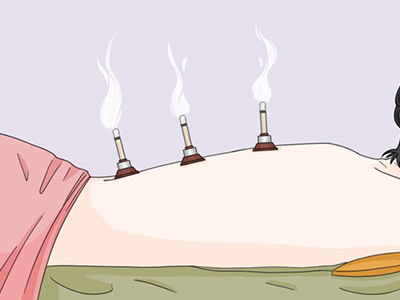
Cervical spondylosis—also known as cervical syndrome—is a complex clinical condition resulting from degenerative changes in the cervical intervertebral discs (including disc bulging or herniation) and osteophyte formation, leading to irritation or compression of surrounding structures such as blood vessels, nerves, and even the spinal cord. Symptoms may include dizziness, headache, numbness or tingling in the hands and feet, and more.
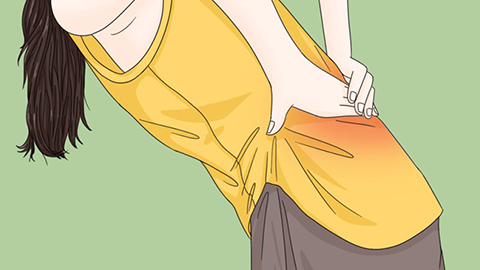
When managing cervical spondylosis, the following points warrant attention: First, correct improper work and lifestyle habits—for example, avoid watching TV or using mobile devices while lying in bed. Second, maintain adequate warmth in daily life and avoid exposure to cold or wind. Third, take precautions against neck injuries when outdoors. Fourth, select an appropriate pillow for sleeping; ideally, the head should be slightly extended backward during sleep. We hope this information proves helpful to you!


