


What are the symptoms of cervical polyps?

Generally, cervical polyps may cause symptoms such as irregular vaginal bleeding, abnormal vaginal discharge (leukorrhea), prolapse of a mass from the vaginal opening, infertility, and lumbosacral pain. A detailed analysis follows:
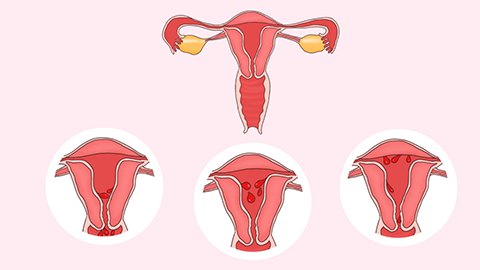
1. Irregular Vaginal Bleeding
A common symptom of cervical polyps is vaginal bleeding. Non-menstrual bleeding is particularly typical; both timing and volume of bleeding are unpredictable. Since cervical polyps are fragile, benign growths arising from the cervical mucosa—and given that the cervix lies within the vagina—routine physical activity may cause small blood vessels on the polyp surface to rupture, resulting in bleeding.
2. Abnormal Vaginal Discharge
Cervical polyps can irritate the glands of the cervical canal, stimulating increased mucus secretion. This excess mucus mixes with normal vaginal discharge, leading to a noticeable increase in volume. The discharge may become thicker and more viscous, sometimes resembling egg-white in consistency, and may appear white or pale yellow.
3. Prolapse of a Mass from the Vaginal Opening
When a cervical polyp has a long stalk or is relatively large, it may protrude from the external cervical os and even extend beyond the vaginal opening. Patients may experience a sensation of a foreign body at the vaginal opening—as if a small mass is obstructing it.
4. Infertility
Cervical polyps may impair fertility. As the cervical os serves as the essential passageway for sperm entering the uterus, the presence of a polyp may hinder sperm passage. This obstruction is especially significant when the polyp is large or positioned directly at the cervical os, thereby reducing the number of sperm reaching the uterus and lowering the likelihood of conception.
5. Lumbosacral Pain
When cervical polyps are accompanied by inflammation, the inflammatory process may spread along the uterosacral ligaments, causing dull, aching pain in the lumbosacral region. Such pain may worsen after prolonged standing, walking, or physical exertion. It is typically localized to the lumbosacral area—i.e., the region above the buttocks and bilaterally along the spine.
If cervical polyps are diagnosed, patients should follow their physician’s recommendations for cervical polypectomy to remove the polyp tissue. Additionally, proper hygiene and care of the cervical area are essential to prevent infection.


