


What causes a retroverted uterus?

If the longitudinal axis of the uterus remains unchanged while the entire uterus tilts backward and the cervix rises, this condition is termed “retroversion of the uterus.” What causes retroverted uterus?
Causes of Retroverted Uterus
Common causes of retroverted uterus include congenital factors, cesarean delivery, and endometriosis. Retroverted uterus is a clinically common uterine position, encompassing both retroversion and retroflexion. Retroversion refers to posterior tilting of the entire uterus while its longitudinal axis remains unchanged, accompanied by upward displacement of the cervix. In contrast, retroflexion denotes posterior bending of the uterine body alone, with the cervix remaining in its normal position. Most individuals with retroverted uterus are asymptomatic; however, some may have coexisting gynecological disorders.
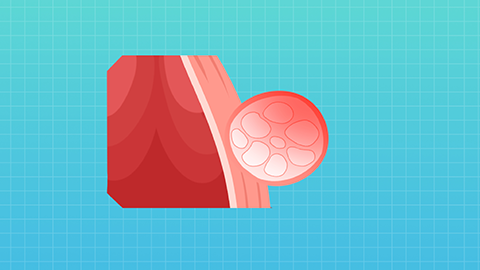
Patients with severe retroverted uterus may experience low back pain. Mild cases may present only with poor lumbar fullness, whereas severe cases may involve dull, aching discomfort throughout the lower back, sacrococcygeal region, and bilateral iliac areas. In some patients, this discomfort may extend to the lower back and bilateral inguinal regions. When retroverted uterus results from pelvic endometriosis, treatment is tailored according to the underlying etiology.
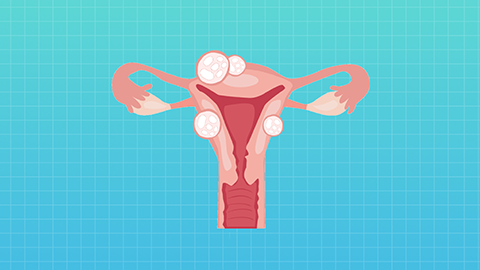
No routine treatment is required if the patient has no other abnormalities. Retroverted uterus is frequently observed in patients with pelvic endometriosis, who may experience low back and sacral pain or tenderness. Patients should pay special attention to sleeping posture during rest—avoiding prolonged supine positioning—and instead alternate among lateral, supine, and prone positions. We hope this article has been helpful. Wishing you a joyful life and good health!


