


What does it mean when there is fluid accumulation in the uterus?

Some women experiencing lower abdominal pain may undergo an abdominal ultrasound and be found to have intrauterine fluid accumulation (also known as uterine cavity effusion). However, due to limited medical knowledge, even after receiving a confirmed diagnosis, most patients remain unaware of the specific underlying causes—potentially compromising the effectiveness of prevention and treatment. So, what exactly causes fluid accumulation in the uterus?
What Causes Fluid Accumulation in the Uterus?
Fluid within the uterine cavity can arise from various physiological or pathological conditions. In some cases, it occurs during the recovery period following childbirth or abortion; in others, it may be detected during menstruation. A small amount of fluid often represents retained menstrual blood that has not yet been expelled—a normal, transient phenomenon. If no symptoms are present, there is generally no cause for concern. However, certain cases of uterine fluid accumulation are associated with abnormal vaginal bleeding. Potential causes include endometritis (inflammation of the endometrium), complications related to intrauterine contraceptive devices (IUDs), endometrial polyps, endocrine disorders, or endometrial pathology. Prior to initiating treatment, further diagnostic evaluation is essential to determine the precise etiology. Notably, some cases of uterine fluid accumulation occurring early in pregnancy may be linked to threatened miscarriage.
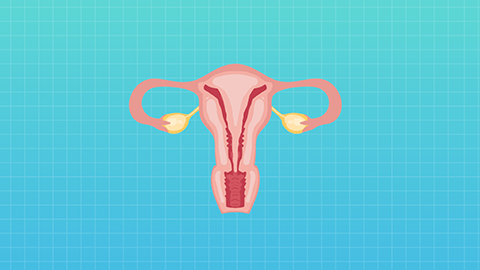
Fluid in the uterine cavity may indicate endometritis or uterine hemorrhage. If accompanied by lower abdominal pain, abnormal vaginal discharge, or foul odor, inflammatory etiology should be suspected, and a gynecological examination is recommended. Definitive diagnosis can be established if tenderness is elicited upon palpation of the uterine region or if ultrasound reveals intrauterine fluid. Under physician guidance, targeted therapy—including oral anti-inflammatory medications or traditional Chinese patent medicines—may be prescribed. Following abortion, irregular or persistent vaginal bleeding warrants evaluation for possible retained products of conception or uterine atony; symptomatic treatment with medications such as *Xinshenghua Granules* or *Yimucao Ointment* may be considered under medical supervision.
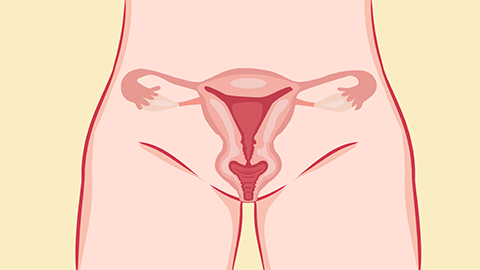
Patients are advised to seek prompt medical evaluation and treatment at a healthcare facility and to adhere strictly to their physician’s instructions regarding medication use. We hope this information proves helpful to you.


