


What Causes Excessively Heavy Menstrual Bleeding?

A woman’s menstrual cycle also reflects her overall health. During menstruation, she can observe the color, regularity, and volume of her menstrual flow to gain insight into her health status. For instance, abnormally heavy or light menstrual bleeding is considered abnormal and warrants special attention. So, what causes excessively heavy menstrual bleeding?
What Causes Excessively Heavy Menstrual Bleeding?
The etiology of menorrhagia (excessively heavy menstrual bleeding) is highly complex and multifactorial. Primary contributing factors include endocrine disorders, organic (structural) gynecological diseases, medication use, and intrauterine device (IUD) insertion. Endocrine dysfunction—mainly resulting from hormonal imbalances due to endocrine dysregulation—can lead to excessive thickening of the endometrium; when this hyperplastic endometrium sheds during menstruation, it may cause heavy bleeding. Such endocrine dysfunction may stem from various conditions, including dysfunctional uterine bleeding, polycystic ovary syndrome (PCOS), hyperprolactinemia, hyperthyroidism or hypothyroidism, hematologic disorders, hepatic disease, and renal disease.

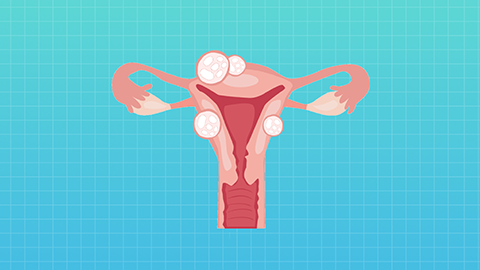
Organic gynecological conditions—including genital tract inflammation, uterine fibroids, endometritis, endometriosis, endometrial polyps, and submucosal fibroids—can all contribute to menorrhagia. Medications may also play a role: for example, oral corticosteroids can induce uterine bleeding, although bleeding typically resolves after discontinuation. Additionally, IUD use is associated with increased menstrual bleeding, possibly due to local inflammatory responses, endometrial injury, and enhanced antifibrinolytic activity induced by the device.
Women are advised to pay attention to their diet during menstruation and avoid raw, cold, or spicy foods to help prevent dysmenorrhea. We hope this information proves helpful.


