


Can I take folic acid tablets during my menstrual period?

Menstruation is a vital physiological phenomenon for women. Maintaining a healthy lifestyle and appropriate diet during menstruation is extremely important; however, many women pay insufficient attention to this and eat whatever they like.
Can women take folic acid tablets during menstruation?
Generally, women may take folic acid tablets during menstruation. Folic acid is a water-soluble B-vitamin, and its intake during menstruation does not interfere with normal menstrual patterns or cause abnormal menstrual symptoms. During this period, folic acid supplementation may be taken to prepare for pregnancy or to treat certain types of anemia. It should be taken at the recommended dosage under medical supervision. High-dose folic acid supplementation should be avoided, as it may adversely affect women’s health. While self-medication is generally discouraged during menstruation, taking folic acid tablets does not disrupt the menstrual cycle. During menstruation, women should prioritize rest, avoid strenuous physical activity, and abstain from sexual intercourse.
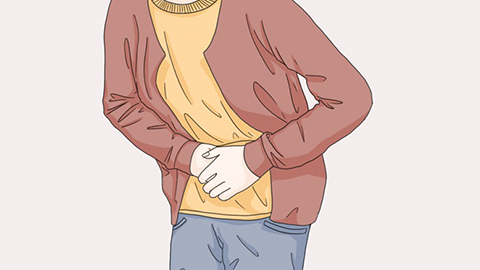
Folic acid tablets can typically be taken during menstruation, as they do not impede menstrual blood flow nor induce dysmenorrhea or other abnormal discomforts. However, for pregnant women, folic acid supplementation during menstruation is usually unnecessary—its primary purpose being the prevention of fetal neural tube defects. Since the onset of menstruation indicates that conception has not occurred, folic acid supplementation is not required at this time. Nevertheless, once menstruation ends, women may resume folic acid intake to continue preparing for pregnancy.
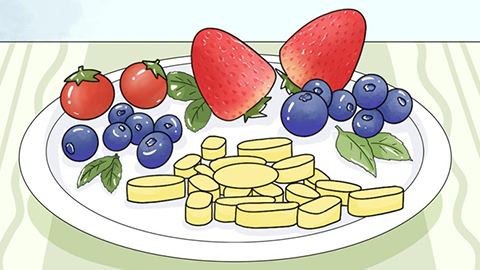
We recommend that patients consult a healthcare provider for appropriate evaluation and testing. Additionally, maintaining healthy daily habits—including avoiding spicy and irritating foods—is essential. We hope this information proves helpful.


