


What are the symptoms of an anal cyst?

Anal cysts—also known as anal fistula cysts—may arise from nasolacrimal duct cysts or congenital developmental abnormalities and typically require surgical intervention. If recurrent, they carry a potential risk of malignant transformation, warranting close clinical attention. Following diagnosis, patients may benefit from consuming winter melon and mulberry bean soup and increasing intake of high-fiber vegetables. What symptoms are associated with anal cysts?
What Are the Symptoms of Anal Cysts?
When an anal cyst develops, the primary manifestation is a small lump or mass around the anus. As the condition progresses, patients may experience severe localized pain, swelling, fever, discomfort, restlessness, tenesmus (a sensation of incomplete evacuation), constipation, and urinary dysfunction. Systemic symptoms—including anorexia, elevated body temperature, chills, and fatigue—may also occur. Anal cysts originate in the subcutaneous tissue surrounding the anus and are relatively common. Many patients initially notice only a palpable lump beneath the perianal skin; prolonged sitting may cause a sensation of pressure or compression, though significant pain is often absent.
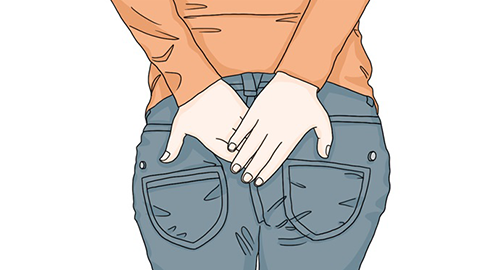
Anal cysts are chronic, slowly progressive conditions with nonspecific initial symptoms, often requiring no treatment in early stages. However, if the cyst becomes large, surgical excision is recommended. Surgical intervention remains the mainstay of treatment for anal cysts. Postoperatively, patients should pay careful attention to local wound care: cleansing the area with clean water after each bowel movement and maintaining local cleanliness and dryness. When indicated, oral antibiotics may be prescribed under medical supervision to prevent infection.

Patients are advised to cultivate healthy defecation habits—avoiding excessive straining and prolonged time on the toilet—to prevent disease progression. We hope this information has been helpful.


