


How to Treat Swollen and Painful Gums

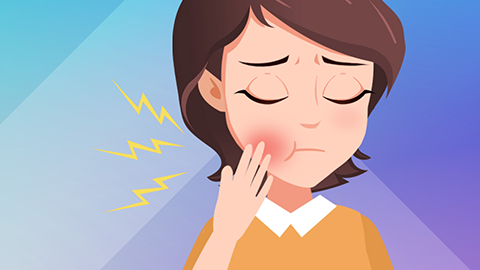
Many people experience swollen and painful gums. When gums are swollen and painful, individuals not only feel discomfort while eating but may also experience pain even when drinking water or opening their mouths—especially if symptoms are severe. So, how is gum swelling and pain treated?
How to Treat Swollen and Painful Gums
In most cases, acute inflammatory symptoms of gum swelling and pain can be alleviated with oral anti-inflammatory and analgesic medications prescribed by a dentist or physician. Commonly used anti-inflammatory agents include metronidazole and amoxicillin, while common analgesics include ibuprofen (e.g., Fenbid®). Concurrently, targeted dental treatment should be performed based on the underlying cause of the gum swelling and pain. Periodontitis is a frequent cause and requires appropriate management. If a periodontal abscess has formed, incision and drainage are necessary. Local periodontal pocket irrigation—using antiseptic agents such as hydrogen peroxide or normal saline, followed by application of iodine glycerin—may help relieve acute symptoms. If the swelling and pain stem from apical periodontitis, treatment involves creating an access cavity, performing pulpal decompression, root canal debridement, and relieving acute apical inflammation.
Gum swelling and pain may also result from excessive dental calculus (tartar). Calculus irritates the gums, leading to redness, swelling, and tenderness. Poor oral hygiene habits—such as inconsistent or inadequate toothbrushing—allow food debris and soft plaque to accumulate in the mouth; over time, these deposits calcify into calculus. Calculus adheres to tooth surfaces, including subgingival areas, where it continuously irritates the gums. Swelling and pain may also arise from foreign material lodged in a dental restoration or from dental caries affecting individual teeth. Patients experiencing gum swelling and pain are advised to seek prompt evaluation and treatment at a dental clinic or hospital.
Patients are encouraged to maintain good oral hygiene and adopt healthy daily habits—including regular, proper toothbrushing. We hope this information is helpful to you.


