


Can people with diabetes drink winter melon peel tea?

It is widely known that individuals with diabetes must pay special attention to their diet. Some diabetic patients enjoy drinking winter melon peel tea—so, can people with diabetes drink winter melon peel tea?
Can people with diabetes drink winter melon peel tea?
Yes, people with diabetes may drink winter melon peel tea. Winter melon peel is edible and possesses certain medicinal properties: it helps clear stomach heat, nourish the stomach and promote fluid production, and moisten the intestines to facilitate bowel movements. Additionally, it offers cosmetic and skin-enhancing benefits. Winter melon peel is low in sodium but rich in potassium and vitamins, conferring diuretic and blood glucose–lowering effects. Therefore, diabetic patients may regularly prepare a decoction using winter melon peel, which may help improve hyperglycemia. However, when blood glucose levels are elevated, patients must strictly follow their physician’s instructions for glycemic control.
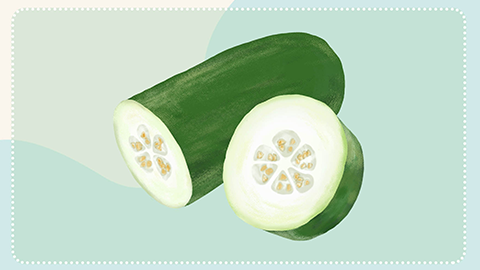
If diabetic patients can consume winter melon peel soup, they should still undergo pharmacological treatment for diabetes. Early initiation of treatment enables more effective blood glucose control, reduces diabetes-related complications, and alleviates disease progression. Following diagnosis, patients must adjust their dietary habits and adopt appropriate nutritional practices.

Diabetic patients should adjust meal frequency—particularly those with gastroparesis, who benefit from eating smaller, more frequent meals instead of three large ones. Incorporating several light snacks between main meals helps prevent postprandial hyperglycemia and also effectively mitigates pre-meal hunger. Patients should also modify food consistency and composition: limiting overly sweet foods while increasing intake of fruits and vegetables. We hope this article has been helpful. Wishing you a joyful life and good health!


