


Can people with type 2 diabetes consume goji berries and red dates?

Many people enjoy drinking jujube (Chinese date) and goji berry tea in daily life, as both ingredients are traditionally believed to nourish qi and blood. Some individuals with type 2 diabetes also consider consuming this beverage. So, can people with type 2 diabetes safely drink goji berry and jujube tea?
Can individuals with type 2 diabetes consume goji berries and jujubes?
Individuals with type 2 diabetes are generally advised to avoid jujubes, but may consume goji berries in moderation. Jujubes are high in calories and natural sugars; consuming them may cause a rapid spike in blood glucose levels, thereby compromising glycemic control. In contrast, goji berries have relatively low sugar content and a low glycemic index (GI), making them suitable for moderate consumption by people with diabetes. Specifically, jujubes fall into the medium-GI category but carry a high glycemic load (GL), whereas goji berries have both low GI and low GL.
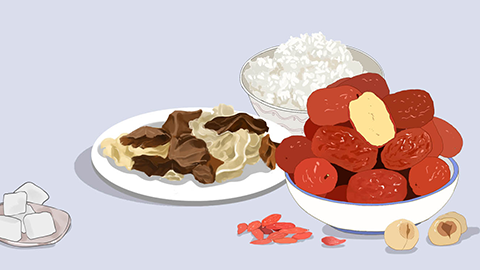
Dietary management for people with diabetes primarily focuses on controlling total caloric intake and avoiding foods that are high in calories or have a high glycemic index. High-calorie foods include fried items and organ meats (e.g., liver), while high-GI foods mainly comprise sweets, carbonated beverages, and highly refined, gelatinized foods.

Patients may instead choose vitamin-rich foods such as strawberries, leeks, cucumbers, and tomatoes. These foods are naturally low in sugar and may exert a modest postprandial glucose-lowering effect. Regular consumption can help maintain healthy body weight and prevent or manage hypertension, hyperlipidemia, and hyperglycemia (“the three highs”). We hope this article has been helpful. Wishing you a joyful life and optimal health!


