


Symptoms of Shoulder Periarthritis
Jul 06, 2022
Source: Cainiu Health

Dr. Xu Ge
Introduction
Initially, periarthritis of the shoulder presents with intermittent pain. In most cases, it develops chronically, with pain gradually intensifying into persistent dull or sharp, knife-like pain. Pain often worsens with changes in weather or physical exertion and may radiate to the neck, upper limb—particularly the elbow. Sudden impact or traction on the shoulder may trigger severe, tearing-like pain. If periarthritis is triggered by cold exposure, patients typically exhibit heightened sensitivity to weather changes.
At the onset of adhesive capsulitis (frozen shoulder), patients typically experience intermittent shoulder pain, most commonly developing insidiously and chronically. Pain gradually intensifies over time, becoming persistent and dull—or even sharp and knife-like. Pain often worsens with changes in weather or physical exertion and may radiate to the neck, upper limb, and especially the elbow.
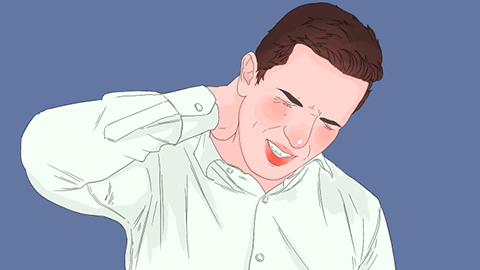
A sudden impact or traction on the shoulder may trigger severe, tearing-like pain. A hallmark feature of this condition is that pain is typically milder during the day but significantly worse at night. In cases where cold exposure triggers adhesive capsulitis, patients often exhibit heightened sensitivity to weather changes.
Range of motion (ROM) of the shoulder joint becomes restricted in all directions, most notably in abduction, elevation, and internal/external rotation. As the disease progresses, adhesions develop within the joint capsule and surrounding soft tissues, leading to progressive decline in muscle strength. Additionally, factors such as shortening and fixation of the coracohumeral ligament in internal rotation further restrict both active and passive shoulder movement in all directions. Common daily activities—including combing hair, dressing, washing the face, and placing hands on the waist—become increasingly difficult. In severe cases, elbow function may also be compromised: patients cannot touch the ipsilateral shoulder with their hand when flexing the elbow, and particularly cannot perform elbow flexion when the arm is extended posteriorly.



