Is vitiligo hereditary?
Jul 06, 2022
Source: Cainiu Health

Dr. Liu Wan
Introduction
Vitiligo has a certain genetic predisposition. This condition often exhibits familial clustering—meaning multiple family members may be affected by vitiligo. Although it can be inherited, it is not 100% hereditary; rather, there is only an increased susceptibility. Offspring of affected individuals have a higher risk of developing vitiligo compared to those from families without any history of the disease. Therefore, preventive measures are essential.
Vitiligo is an acquired, localized skin disorder characterized by loss of pigment. Many people wonder whether vitiligo is hereditary. The details are as follows:
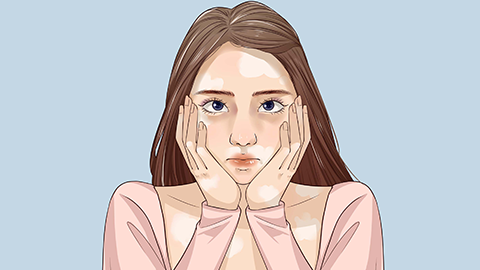
Vitiligo exhibits a certain degree of hereditary predisposition. It frequently manifests as familial clustering—that is, multiple family members may be affected. Moreover, children of individuals with vitiligo have a higher risk of developing the condition compared to the general population; however, even in the absence of known triggers, they may still not develop vitiligo. Although vitiligo can be inherited, it is not inevitable—rather, there is only an increased susceptibility. Offspring of affected individuals face a higher risk of developing vitiligo than individuals from families without a history of the disease. Therefore, preventive measures are essential.
Certain chemical substances can irritate the skin and increase the risk of developing vitiligo; thus, exposure should be avoided both at work and in daily life. In particular, avoid contact with chemicals such as tert-butylphenol and hydroquinone, which are associated with occupational leukoderma.
Regular physical exercise not only promotes overall health but also helps prevent disease. When selecting an activity, choose one that suits your personal preferences. Exercise intensity should be appropriately balanced: too little intensity may yield minimal benefits, while excessive intensity may cause fatigue and increase the risk of injury during physical activity.