


Why Should Mangoes Be Avoided During Menstruation?

There are many precautions women should take during menstruation. So why should mangoes be avoided during this time?
Why Should Mangoes Be Avoided During Menstruation?
Mangoes possess mild hemostatic (blood-stopping) properties. Consuming mangoes during menstruation may disrupt normal menstrual flow. Eating even a small amount may reduce menstrual volume, while excessive intake could potentially accelerate premature menopause—posing significant risks to women’s health. Therefore, it is strongly advised to avoid mangoes entirely during menstruation. Moreover, mangoes are considered “cold” in nature according to traditional Chinese medicine; consuming them may trigger or worsen menstrual cramps.
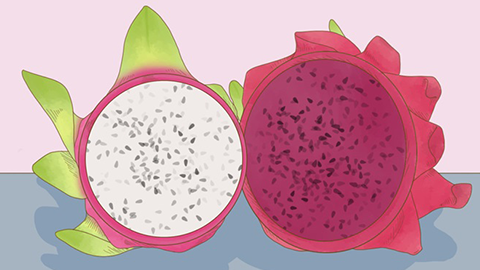
Eating fruits regularly during menstruation can help prevent constipation and reduce pelvic congestion. However, certain “cold-natured” fruits should be consumed sparingly—or avoided altogether—during this period. Instead, women may opt for “warming” or “heat-natured” fruits such as durian, pepino melon, lychee, longan, jujube (Chinese date), peach, cherry, and pomegranate, which can be eaten at any time of day. Moderately “neutral” fruits—including apple, grape, and fig—are also suitable for moderate consumption during menstruation, provided the individual does not have allergies or a predisposition to eczema. In contrast, “cold-natured” fruits—such as persimmon, mango, watermelon, and kiwi—should be minimized during menstruation but may be consumed in moderation afterward.

Immunity tends to be lower during menstruation. Hormonal fluctuations, along with pelvic bleeding and congestion, stimulate the release of prostaglandins—hormone-like substances that contribute to common discomforts such as cramping, fatigue, and mood changes. Therefore, adequate rest and avoidance of strenuous physical activity are especially important during this time. We hope this information has been helpful. Wishing you optimal health and happiness!


