How to Treat Henoch-Schönlein Purpura
Jul 06, 2022
Source: Cainiu Health

Dr. Peng Xiaodong
Introduction
The following approaches may be attempted:
- Corticosteroids: After the onset of allergic purpura, if the patient concurrently develops acute glomerulonephritis or nephrotic syndrome, corticosteroid therapy is typically required.
- Hormonal therapy: Patients with allergic purpura may be treated with hormonal medications; however, treatment should not be discontinued arbitrarily, as this may compromise therapeutic efficacy.
Henoch-Schönlein purpura (HSP) can lead to various complications. To minimize the harm caused by HSP, timely treatment is essential. Specific treatment approaches are as follows:
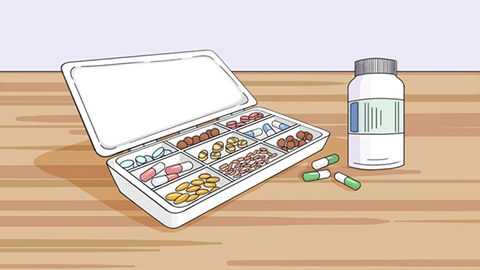
① Glucocorticoids
If a patient develops acute glomerulonephritis or nephrotic syndrome alongside HSP, glucocorticoid therapy—such as prednisone, methylprednisolone, or dexamethasone—is typically indicated. These medications effectively alleviate symptoms and help control disease progression.
② Anticoagulants
During HSP treatment, anticoagulants such as heparin may be administered, usually via intramuscular injection. Oral administration must be avoided to prevent adverse outcomes.
③ Hormonal agents
Hormonal agents may be used in HSP management. Patients should strictly follow the drug’s instructions for proper, scientifically guided use. Treatment must not be discontinued arbitrarily, as this may compromise therapeutic efficacy.
④ Avoidance of allergens
Patients should actively identify potential triggers—such as pollen, dust mites, fish, shellfish, etc.—and avoid exposure to these allergens to prevent allergic reactions that could precipitate or exacerbate HSP. Eliminating contact with known allergens and avoiding triggering environments helps prevent recurrent episodes of purpura.