


Exercises for Shoulder Periarthritis
Jul 06, 2022
Source: Cainiu Health

Dr. Xu Ge
Introduction
Wall Climbing with Fingers: The patient stands facing a wall and uses the affected hand to slowly “climb” upward along the wall, raising the upper limb as high as possible. Then, the arm is slowly lowered back to the starting position. This exercise is repeated multiple times, gradually increasing the height reached.
Touching the Opposite Shoulder with the Hand: When the affected shoulder is elevated to touch the head, the elbow tip slowly moves from the front toward the same side while the palm remains in contact with the head; this movement may spontaneously relieve pain.
Frozen shoulder (adhesive capsulitis) is a self-limiting, non-infectious inflammatory condition of the soft tissues surrounding the shoulder joint, with an unknown etiology. It is primarily characterized by shoulder pain and restricted range of motion, and commonly affects middle-aged and elderly individuals around age 50. So how can we alleviate these symptoms? The following three exercises can help!
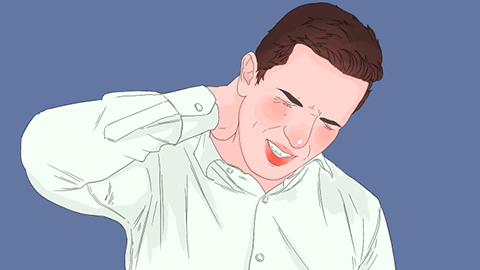
1. Wall-climbing with fingers: Stand facing a wall and use the affected hand to slowly “climb” upward along the wall, raising the arm as high as possible. Hold this maximum position for 2–6 seconds. Mark the height reached on the wall, then slowly lower the arm back to the starting position. Repeat this exercise several times, gradually increasing the height achieved.
2. Touching the opposite shoulder: With the affected shoulder elevated to touch the head, slowly move the elbow forward and then toward the same-side shoulder while keeping the palm in contact with the head. At a certain angle, pain may arise in the affected shoulder; hold this position for 30 seconds to one minute—pain often subsides spontaneously.
3. Reaching the spine behind: While reaching backward to touch the spine with the affected hand, keep the forearm and upper back pressed closely together. Attempt to bring the back of the hand as close as possible to the contralateral lumbar or thoracic region. Upon reaching a certain height, shoulder pain may occur; maintain this position for 30 seconds to one minute—pain typically lessens spontaneously.
In summary, frozen shoulder is not an intractable condition; symptoms can resolve rapidly with appropriate treatment and scientifically guided care. However, because the direction and degree of shoulder joint restriction vary among individuals, patients should perform these exercises only under the supervision and guidance of a healthcare professional to avoid shoulder injury resulting from improper technique.


