What Are the Signs and Symptoms During a Baby’s Teething Period?
Jul 07, 2022
Source: Cainiu Health

Dr. Xie Zixing
Introduction
During teething, babies often drool excessively because emerging teeth stimulate the gums, causing sensations of swelling, itching, and pain. As a result, saliva production increases. When a baby begins drooling inexplicably, parents should examine the baby’s mouth; if no signs of illness are present and the gums appear swollen and firm, this typically indicates that teething has begun.
During teething, infants may exhibit certain atypical behaviors; however, teething symptoms vary significantly from child to child. Excessive drooling is common during this period, as tooth eruption stimulates the gums, causing sensations of swelling, itching, and discomfort—thereby increasing salivary secretion.
When an infant begins drooling inexplicably, caregivers should examine the infant’s mouth. If no signs of illness are present and the gums appear swollen and taut, this typically indicates that teething has begun.
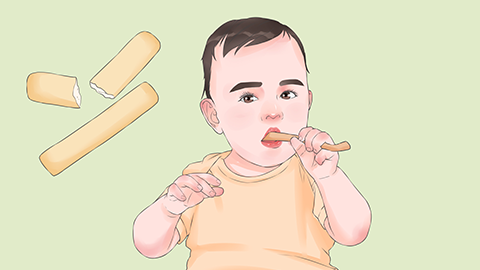
Additionally, gum discomfort is common during teething, often leading to fussiness or crying. To alleviate this discomfort, infants may instinctively bite objects—or even people—especially during breastfeeding, when they may bite the mother’s nipple.
If an infant suddenly becomes fussy and begins biting, teething may be starting; caregivers should closely monitor for signs of tooth eruption. Chewing on appropriate objects helps relieve the itching and pain associated with teething. Parents can provide teething rings or other safe, age-appropriate chew toys to ease discomfort. Once teeth begin to emerge, use a soft-bristled, infant-specific toothbrush to gently clean them; for the remainder of the oral cavity, a clean gauze pad or soft cloth dampened with water remains suitable for cleaning.