Harmful Effects of Babies Going to Bed After 10 p.m.
Jul 07, 2022
Source: Cainiu Health

Dr. Xie Zixing
Introduction
Going to bed after 10 p.m. may hinder a child’s height growth, potentially impairing their overall growth and development; over time, this may result in the child being slightly shorter than peers of the same age. Additionally, chronic late-night sleeping can damage cardiac and hepatic function. The heart and kidneys undergo repair and detoxification during specific nighttime hours; insufficient sleep may therefore adversely affect these two vital organs.
Many physiological processes essential for a child’s development occur primarily during nighttime, making it crucial to ensure children get sufficient, high-quality sleep from an early age. Establishing a healthy circadian rhythm is key—children should ideally begin preparing for sleep around 8:30 p.m.
Growth hormone secretion peaks between 10 p.m. and 1 a.m., during deep sleep. Consequently, consistently going to bed after 10 p.m. may hinder optimal height development. Over time, chronic late bedtimes can negatively affect overall growth and development, potentially resulting in shorter stature compared with peers of the same age.
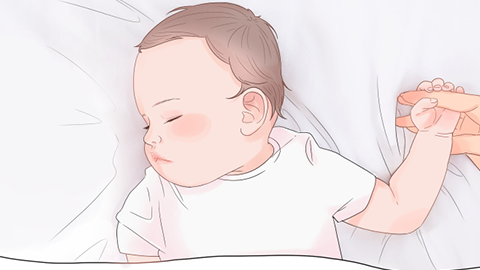
Moreover, habitual late sleeping can impair cardiac and hepatic function. The heart and kidneys undergo critical repair and detoxification processes at specific times each night. Insufficient or mistimed sleep disrupts these vital functions, potentially leading to irritability, restlessness, and difficulty falling or staying asleep. Prolonged sleep deprivation significantly increases the risk of cardiovascular disease.
Preschool-aged children should therefore obtain 10–13 hours of sleep daily. The optimal bedtime is 8:30 p.m., and it is strongly recommended not to delay bedtime beyond 9 p.m. Morning wake-up time should ideally be no earlier than 7 a.m. Chronic late bedtimes may adversely affect brain development, cardiovascular health, and cognitive functions such as learning and imitation.